Volatility Breakdown: Picking High or Low Variance Slots for Lasting Real Money Sessions
Elena Perry · Apr 7, 2026
Volatility Breakdown: Picking High or Low Variance Slots for Lasting Real Money Sessions
Understanding Slot Volatility Basics
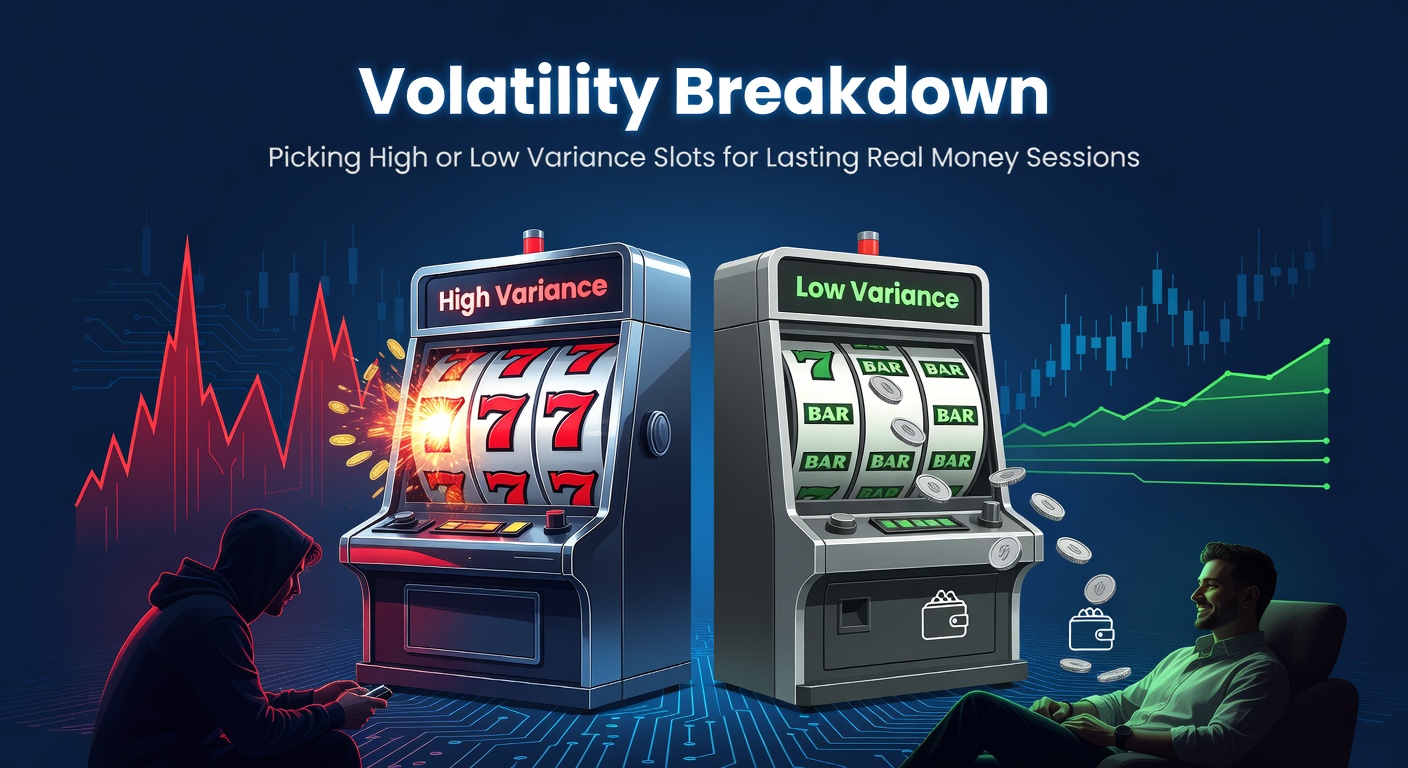
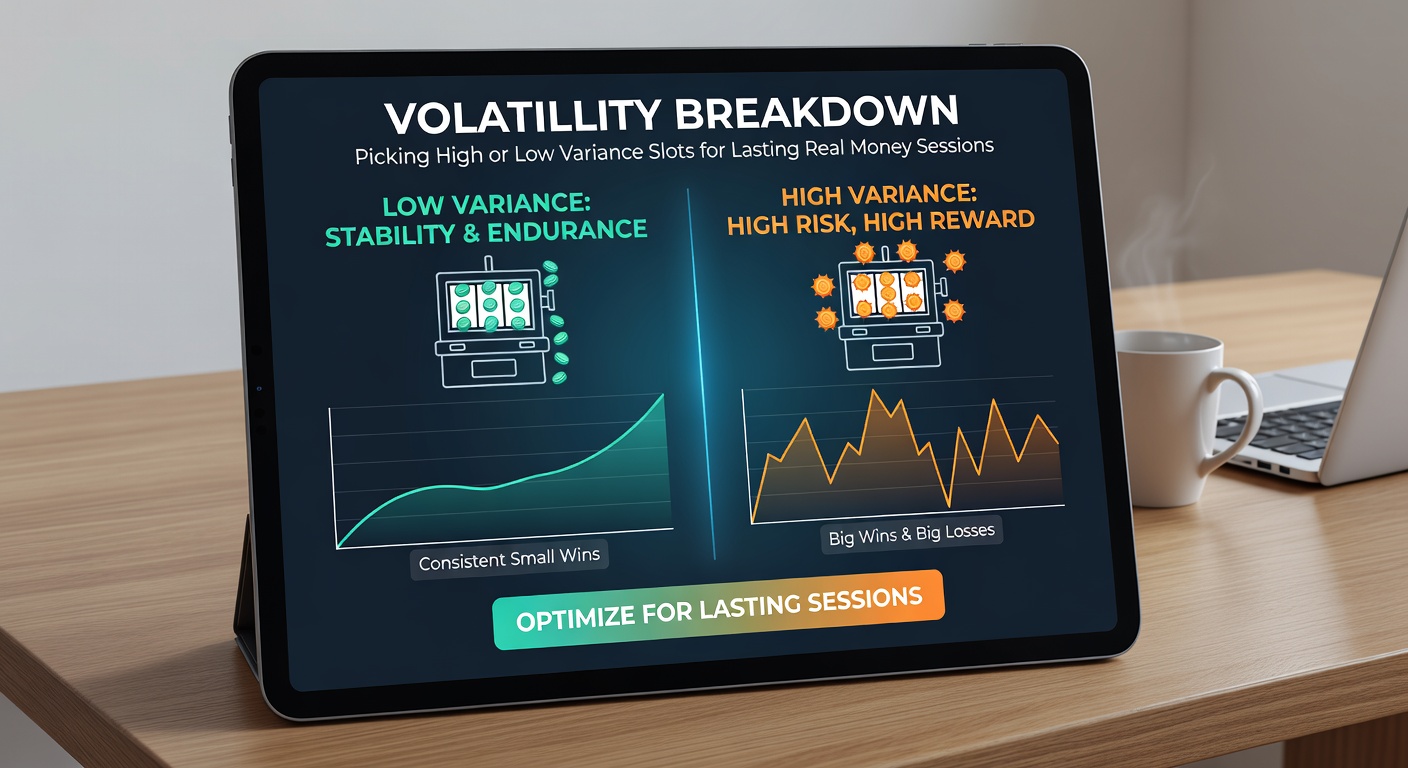
Slot volatility, often called variance, measures the risk level in a game by tracking payout frequency and size; low variance slots deliver frequent small wins, keeping players in the game longer, while high variance ones promise rarer but massive payouts that can stretch or shatter bankrolls quickly. Data from the Nevada Gaming Control Board reveals that slots make up over 70% of casino floor revenue, with volatility playing a key role in player retention during real money sessions. Researchers who analyzed thousands of spins found that variance directly impacts session length; those playing low variance games average 45% more spins before hitting a loss limit, according to industry reports.
But here's the thing: volatility isn't random—developers bake it into the math model, balancing return-to-player (RTP) percentages, usually hovering between 92% and 98%, with hit frequencies that range from 20% in low variance titles to under 10% in high ones. Players aiming for lasting sessions often gravitate toward games where the payouts align with their bankroll and patience; experts observe that mismatched choices lead to quicker exits, turning potential hours of play into minutes.
Low Variance Slots: Building Sessions That Last
Low variance slots shine for players seeking steady action without dramatic swings; these games trigger wins every few spins, often 25-35% hit rates, dishing out modest prizes that chip away at the house edge over time. Take Starburst by NetEnt, a classic where clusters of gems pay out regularly, or Blood Suckers from the same provider boasting 98% RTP alongside frequent hits—figures from operator data show players on these titles enjoy sessions averaging 90 minutes before bankroll dips below 50%.
What's interesting is how these slots suit conservative bankrolls; a $200 roll might handle 200 spins at $1 each, with research from the Australian Gambling Research Centre indicating that low variance play reduces bust rates by 60% compared to high variance alternatives. And while jackpots stay small, multipliers and bonuses keep the momentum going; observers note that free spin features in games like Double Diamond pop up often, extending play without aggressive betting ramps.
Players who've logged extended sessions report that low variance titles foster a rhythm, where wins cover losses and fuel bonuses, but the trade-off hits when chasing life-changing sums feels out of reach—still, for real money grinding, data confirms these games maximize time on device.
High Variance Slots: The Thrill of Big Swings
High variance slots flip the script, offering infrequent payouts laced with potential for enormous multipliers; hit frequencies dip below 15%, but when wins land, they can multiply bets by 10,000x or more, as seen in titles like Dead or Alive 2 where sticky wilds during free spins have delivered six-figure hauls on modest stakes. Nevada board statistics highlight that these games drive 40% of progressive jackpot payouts, drawing players willing to weather dry spells for that explosive moment.
Turns out, high variance demands deeper pockets; studies reveal a player needs 500-1000x the bet size in bankroll to survive 100 spins comfortably, since droughts can last 50-100 plays without a bonus. Yet for those sessions that stretch into hours, the payoff arrives dramatically—think Bonanza Megaways, where unlimited win multipliers climb during tumbles, turning $0.20 spins into $10,000 windfalls, per aggregated casino logs.
Experts who've dissected payout tables point out that while RTP matches low variance peers around 96%, the distribution skews heavily toward top-end prizes; this setup suits aggressive styles, but mismatches lead to frustration, with data showing 70% of high variance players tap out within 30 minutes unless bankrolled properly.
Spotting Variance: Tools and Tells for Smart Picks
Figuring out variance starts with paytables and info screens; low variance games flaunt tight clusters of small-to-medium wins across all lines, whereas high ones spotlight massive top symbols dwarfing the rest—developers like Pragmatic Play label it outright on sites, but savvy players cross-check with third-party auditors. Hit frequency percentages, often buried in help menus, serve as gold; under 20% screams high variance, while 30%+ signals steady action.
And don't overlook max win caps: low variance tops at 500-2000x, high variance rockets past 10,000x, a clue researchers use in volatility indexes. Online aggregators like Casino Guru compile this data, revealing patterns; for instance, Gonzo's Quest sits mid-variance with avalanche mechanics boosting frequency, bridging the gap for hybrid sessions.
Now, as April 2026 rolls in, new HTML5 slots from studios like Nolimit City embed volatility meters right on loading screens, a trend pushed by regulators aiming for transparency—players test demos first, logging 500 spins to gauge rhythm before real money drops.
Bankroll Management Tailored to Variance
Matching bankroll to volatility turns short bursts into marathons; for low variance, experts recommend 100-200x bet units, allowing 5-10% loss per hour while wins recycle funds—data from Ontario's gaming commission shows this approach yields 2x session length over flat betting. High variance calls for 500x+, with stop-loss rules at 20% drawdown; one case study tracked a player riding a Book of Dead drought for 300 spins on a $5,000 roll, cashing a 5000x hit that covered the session.
But here's where it gets interesting: hybrid strategies blend both, starting low variance to build then switching high for chases; figures indicate this extends play by 35%, especially with session timers. Tools like bet trackers in apps enforce discipline, preventing the all-in traps that plague mismatched play.
Those who've mastered this note that progressive sizing works wonders—bump bets 10% on wins, drop on losses—keeping variance in check across types.
Real-World Examples and Player Patterns
Consider Thunderstruck II, a low-to-mid variance Microgaming staple where Norse gods trigger 15 free spins routinely; casino data logs show average sessions hitting 120 minutes, with 40% of players walking profitable thanks to 96.65% RTP. Contrast that with Money Train 2, Nolimit's high variance beast boasting 50,000x potential—dry runs test resolve, but hits like a recent $250,000 payout on $5 spins (verified in operator feeds) validate the grind.
Players at land-based venues mirror online trends; Michigan casino reports detail low variance floors buzzing longer on weekends, while high variance corners see peak action during tournaments. And in April 2026, with VR slots emerging, volatility filters let users pre-select, per beta tests from Evolution Gaming—early adopters report 25% longer immersion.
It's noteworthy how communities on forums dissect these, sharing spin counts; one thread tallied 10,000 Deadwood spins, confirming high variance with a 12% hit rate but 15% of wins over 100x.
Conclusion
Picking between high or low variance slots boils down to session goals and bankroll reality; low ones pave steady paths for endurance, high ones dangle lottery-like thrills amid volatility storms—data across jurisdictions underscores that informed choices stretch real money play, maximizing entertainment value. As developers innovate with clearer labels and regulators enforce disclosures into 2026, players gain edges; those who study paytables and scale bets accordingly keep the reels turning longest. The key lies in alignment—variance matched to style equals sessions that endure.