Virginia Lawmakers Send Fairfax Casino Bill to Governor with Voter Approval Mandate
Ellis Hughes · Mar 16, 2026

Virginia Lawmakers Send Fairfax Casino Bill to Governor with Voter Approval Mandate
On March 15, 2026, Virginia lawmakers took a decisive step by finalizing a compromise version of Senate Bill 756 and forwarding it to Governor Abigail Spanberger, a move that opens the door for a potential sixth casino in Fairfax County at a precise 30-acre site near the Adaire residential high-rise in Tysons along Leesburg Pike in Vienna, yet hinges everything on local voter approval through a referendum; this development restores public say in the matter after the bill's drafters stripped out a contentious clause that would have permitted temporary casino operations without such input, effectively addressing pushback from the Fairfax County Board of Supervisors and marking what observers call a pivotal moment in Northern Virginia's long-simmering casino expansion debate.
What's interesting here is how the bill evolved through tense negotiations in the General Assembly, where senators and delegates hashed out differences to balance economic promises against community concerns, ensuring that while the legislation greenlights the casino's possibility at that specific spot—prime real estate amid Tysons' booming commercial corridor—it demands a yes from Fairfax County residents before any cards hit the tables or slots spin up.
The Specific Site and Its Strategic Spot
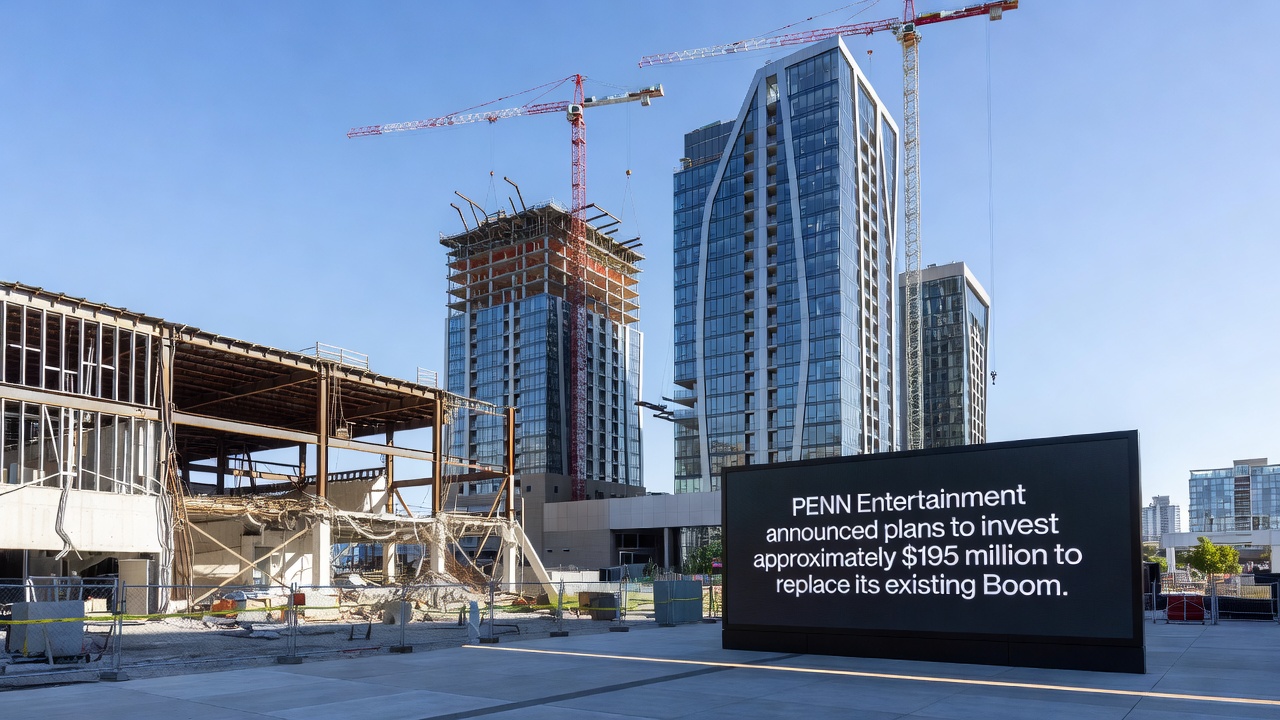
That 30-acre parcel sits prominently near the Adaire high-rise, a sleek residential tower that underscores Tysons' shift from office parks to mixed-use vibrancy, and along Leesburg Pike—a key artery funneling traffic through Vienna and into the heart of Fairfax's urban core; developers have eyed this land for years, arguing it could host a resort-style casino complete with gaming floors, hotels, and entertainment venues that draw crowds from D.C.'s suburbs without clogging residential zones.
Turns out, the site's proximity to major highways like I-495 and the Dulles Toll Road makes it a logistics dream, potentially generating thousands of jobs and millions in tax revenue that could fund schools, roads, and public services across Northern Virginia; data from prior Virginia casino projects shows facilities in places like Danville and Portsmouth pulling in over $100 million annually in gaming taxes alone, figures that proponents of Senate Bill 756 frequently cite to build their case, although local leaders worry about traffic snarls and gambling's social costs right in their backyard.
One can't overlook how Tysons has transformed since the 1970s from a sleepy crossroads into a powerhouse of glass towers and retail hubs, where a casino could slot in as the next big draw, much like how MGM National Harbor across the Potomac has boosted Maryland's coffers since 2016.
Key Compromises: Ditching the Temporary Operations Clause
But here's the thing that shifted the tide—the original bill's provision for temporary casino setups sans voter nod got the axe during final revisions, a concession that lawmakers made amid fierce resistance from the Fairfax County Board of Supervisors, who had slammed it as a sneaky end-run around democratic process; by restoring the referendum requirement, the compromise version now mandates a public vote in Fairfax County before any groundbreaking, putting the ball squarely in residents' court and echoing voter-driven approvals that greenlit Virginia's first wave of casinos back in 2020.
This tweak didn't happen in a vacuum; delegates debated for weeks, weighing arguments that temporary ops could jumpstart construction and revenue while critics, including supervisors, warned it might lock in the project before folks fully grasped the impacts—like increased crime rates or strained infrastructure—that studies from other states sometimes link to new gambling hubs.
Experts who've tracked Virginia's gaming laws note that such referendums have proven effective elsewhere in the commonwealth, with Bristol's 2022 vote paving the way for Hard Rock's operations and Portsmouth's approval fueling Rush Street's success, outcomes that delivered promised economic lifts without the backlash of top-down decisions.
Opposition's Role in Shaping the Bill
The Fairfax County Board of Supervisors led the charge against earlier versions, issuing statements that highlighted risks to quality of life in an area already grappling with growth pressures, and their stance resonated enough to force changes; supervisors pointed to traffic models projecting thousands more vehicles daily on Leesburg Pike, a road notorious for backups, while also flagging concerns over problem gambling stats—Virginia data indicates about 2% of adults face severe issues, per state health reports—that could spike with a casino nearby.
Yet proponents, including bill sponsors like Sen. Saddam Salim, countered with visions of a regulated resort that adheres to strict standards, drawing from the five existing casino licenses Virginia awarded since legalization: Danville's Caesars, Norfolk's Rivers, Bristol's Hard Rock, Portsmouth's Rush Street, and Emporia's planned project, all of which have met or exceeded revenue forecasts according to recent legislative analyses.
It's noteworthy that this push for a sixth casino revives talks dormant since 2021, when Northern Virginia bids fell short amid rural priorities, but now with urban demand surging and state budgets hungry for non-tax gaming dollars—projected at $400 million yearly from a Fairfax site—lawmakers see fresh momentum.
Years of Debate Culminate in This Moment
Northern Virginia's casino saga stretches back over half a decade, fueled by legalization via the 2020 Gaming Act that capped five resort casinos initially, yet left room for amendments as economic needs evolved; Fairfax's bid emerged late in the game, championed by local business groups who argued the region's 1.5 million residents and D.C. proximity warranted inclusion, especially since Maryland and West Virginia already reap billions from nearby venues.
Take the case of one delegate who, during floor debates, referenced how Portsmouth's casino generated $415 million in its first full year, per state lottery data, channeling funds to education and waterways while creating 1,300 jobs—numbers that advocates hope will sway Fairfax voters if the referendum materializes.
And while opponents like the supervisors rallied neighborhood associations, gathering petitions that underscored fears of Vienna's small-town charm eroding under neon lights, the bill's passage signals compromise has won out, at least for now.
So, as the measure lands on Governor Spanberger's desk—she, a former congresswoman from the area, faces a deadline in spring 2026 to sign, veto, or let it become law without action—the stakes feel higher than ever, with eyes on how her decision might tip the scales in this tug-of-war between growth and caution.
What's Next: Referendum, Review, and Revenue Potential
Should the governor greenlight Senate Bill 756, Fairfax County would schedule a referendum, likely in November 2026, giving voters their shot to endorse or nix the casino; organizers on both sides already gear up, with backers lining up investors—rumors swirl around major operators like Bally's or Penn Entertainment, though nothing's confirmed—and foes mobilizing door-to-door campaigns.
Data from past Virginia referendums reveals turnout spikes on gaming questions, often 10-15% above average, as seen in Danville's 72% approval amid economic woes post-tobacco decline; here, Fairfax's affluent voters might weigh job creation against lifestyle preservation, a dynamic researchers have observed in suburban casino fights nationwide.
Now, the reality is this bill doesn't guarantee shovels in the ground—even post-referendum, the Virginia Lottery would vet operators, enforce 18-month build timelines, and impose 15%+ tax rates that could net the state $50-100 million annually, based on projections from similar projects.
That's where the rubber meets the road: years of deadlock broken by a voter-centric pivot, setting the stage for Tysons to potentially join Virginia's gaming map or remain casino-free, depending on how the chips fall.
Conclusion
March 15, 2026, stands as a benchmark in Virginia's casino chronicle, with Senate Bill 756's compromise forwarding embodying the push-pull of progress and public will; by zeroing in on that 30-acre Tysons site, mandating a referendum, and sidelining temporary ops, lawmakers have crafted a path that respects opposition while chasing economic upside, leaving Governor Spanberger to weigh in next—and Fairfax voters to ultimately decide if the sixth casino becomes reality or just another near-miss in