The Impact of Regional Licensing Rules on Reward Structures in Mobile Reel and Table Games
Olivia Brooks · May 16, 2026
The Impact of Regional Licensing Rules on Reward Structures in Mobile Reel and Table Games
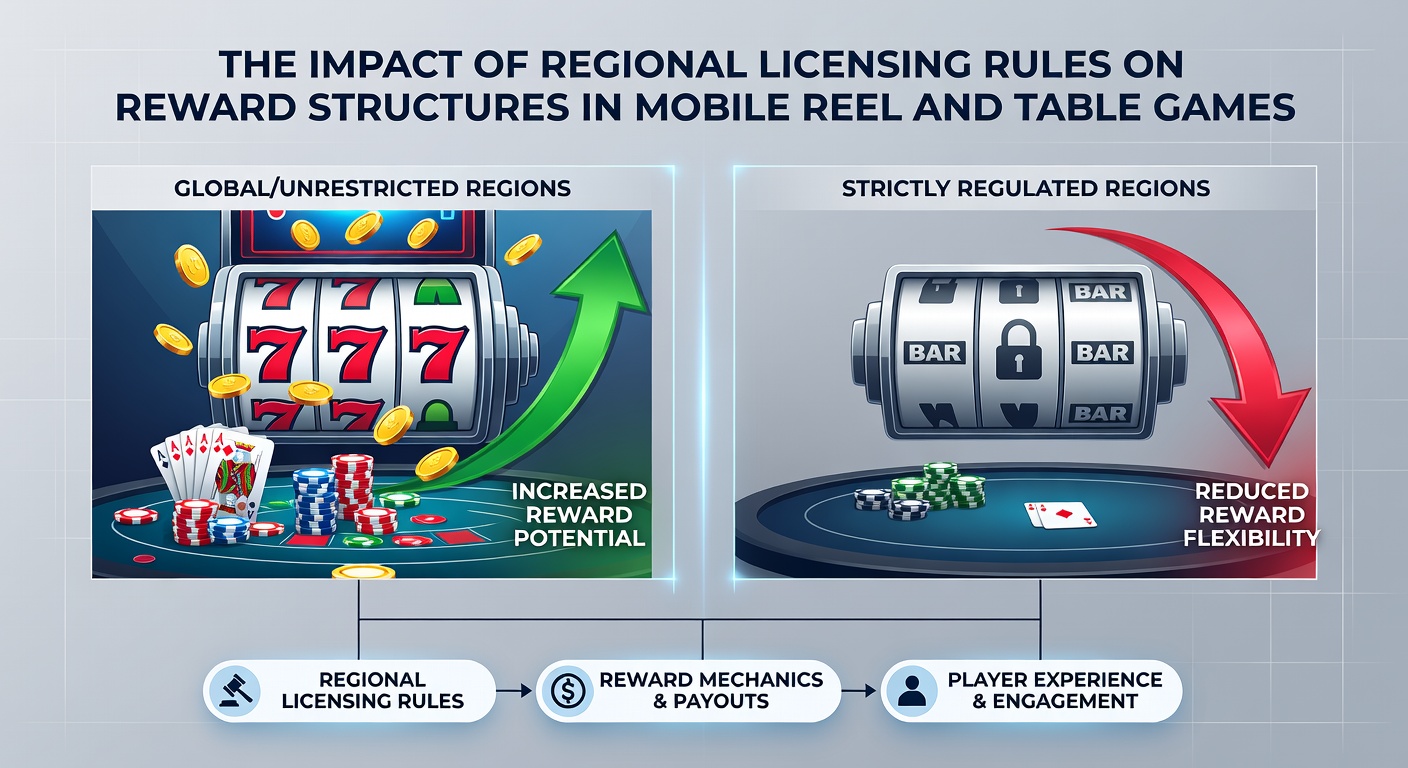
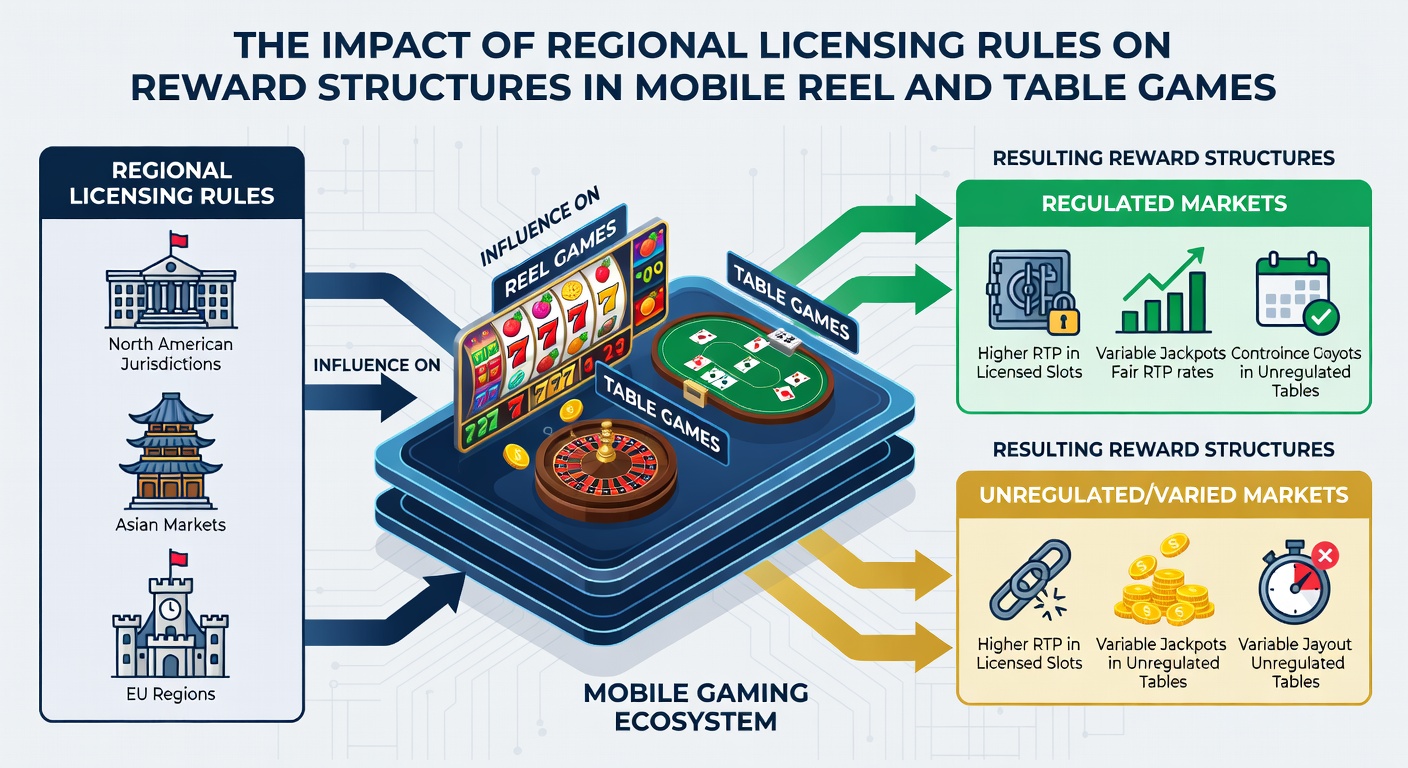
Regional licensing rules determine how operators structure rewards in mobile reel and table games because each jurisdiction sets specific requirements for payout percentages, bonus eligibility, and player incentives that must align with local regulations. These frameworks create distinct environments where reward offerings vary significantly depending on where the game is accessed and licensed.
How Licensing Shapes Base Reward Mechanics
Licensing authorities establish baseline parameters for return-to-player rates in reel games and house-edge limits in table offerings, which directly influence the frequency and size of rewards that operators can advertise to mobile users. In jurisdictions with strict oversight, such as those managed by the New Jersey Division of Gaming Enforcement, minimum payout thresholds often translate into standardized reward tiers that limit promotional flexibility for both slots and blackjack variants. Operators must calibrate bonus structures accordingly, ensuring that cashback offers or free-spin packages stay within approved ranges while still attracting players across app-based platforms.
Table games face additional constraints because licensing rules frequently cap progressive jackpot contributions or side-bet multipliers, whereas reel titles allow more variation in multiplier sequences tied to licensing tiers. Data from the Nevada Gaming Control Board shows that mobile table game rewards in licensed markets maintain tighter variance bands than their reel counterparts, creating predictable loyalty point accumulation patterns for users who engage regularly through state-approved applications.
Cross-Border Differences in Mobile Reward Delivery
Mobile platforms encounter unique challenges when licensing rules differ between neighboring regions because geo-fencing requirements restrict which reward pools remain accessible based on user location at login. Operators respond by segmenting bonus inventories, so players in one licensing zone might receive deposit-match offers unavailable to users just across a state line or national border. This segmentation affects both reel and table game ecosystems, since mobile reel titles often rely on volume-driven free-spin campaigns while table games depend more on cashback tied to wager volume.
European markets illustrate this pattern clearly, with country-specific rules forcing operators to maintain separate reward ledgers for each licensed territory. A player accessing a mobile blackjack table from one EU nation may qualify for loyalty multipliers that another player in a different member state cannot access, even when using the same application. Industry reports from the European Gaming and Betting Association highlight how these divisions have prompted operators to develop modular reward engines that automatically adjust offers based on detected licensing jurisdiction.
Effects on Loyalty and Retention Programs
Loyalty structures in mobile gaming adapt to licensing mandates through tiered point systems that reflect regional caps on reward velocity. In May 2026, several North American markets are scheduled to implement updated compliance checks that will further refine how operators calculate redeemable rewards for both reel and table game activity. These changes require real-time verification of player location and license status, which in turn affects how quickly users can unlock higher-tier benefits such as personalized table-game rakeback or reel-game bonus buy options.
Researchers at the University of Nevada, Las Vegas have documented that regions enforcing stricter licensing audits tend to produce slower reward accumulation curves for mobile users, particularly in table games where bet-size restrictions limit point accrual rates. Reel games, by contrast, can sometimes offset these limits through volume-based spin bonuses that licensing rules permit within defined daily thresholds. Observers note that operators in tightly regulated zones often compensate by extending reward validity periods or introducing hybrid offers that combine elements of both game types.
Future Adjustments and Market Responses
As licensing frameworks continue to evolve, operators are investing in adaptive reward platforms capable of handling multiple regulatory overlays within a single mobile application. These systems track jurisdiction-specific rules for bonus wagering requirements and maximum payout caps, ensuring compliance while maintaining competitive reward appeal across reel and table offerings. The result is a fragmented yet increasingly sophisticated landscape where reward structures reflect the precise licensing conditions under which each game is offered.
Stakeholders across the sector recognize that continued alignment between licensing rules and reward design will shape user engagement patterns for years ahead, particularly as mobile platforms become the primary access point for both reel and table game experiences worldwide.
Conclusion
Regional licensing rules establish the boundaries within which mobile reel and table game rewards must operate, creating measurable differences in payout structures, bonus availability, and loyalty mechanics across jurisdictions. These variations stem directly from regulatory mandates that prioritize consumer protection alongside market viability, and they show no sign of uniform convergence in the near term. Operators who master jurisdiction-specific reward calibration continue to maintain active user bases despite the complexity introduced by these layered requirements.