Shifts in Reward Mechanics for Integrated Resort Gaming Experiences in Regulated Midwestern Markets
Viktor Washington · Jun 29, 2026
Shifts in Reward Mechanics for Integrated Resort Gaming Experiences in Regulated Midwestern Markets
Regulated markets across the Midwest have seen integrated resorts adjust their reward structures in response to evolving legislation and shifting player data, with changes accelerating through the first half of 2026. These resorts combine gaming floors with hotels, dining, entertainment venues, and retail spaces, creating layered experiences that operators track through unified loyalty platforms. Observers note that states such as Illinois, Indiana, Michigan, and Ohio maintain distinct regulatory frameworks that directly influence how points, comps, and tier benefits convert into player value.
Regulatory Landscape Driving Change
State gaming boards require detailed reporting on reward program fairness and player protection measures, prompting operators to recalibrate earning rates and redemption options. Data from the Illinois Gaming Board shows that average daily theoretical win per player rose 8 percent between 2024 and 2025, leading several properties to introduce dynamic multipliers tied to visit frequency rather than static point accrual. Michigan Gaming Control Board rules updated in late 2025 now mandate transparent disclosure of how reward algorithms weigh slot versus table play, forcing properties to publish simplified explanations for guests at enrollment.
Operators in Indiana responded by linking reward tiers to responsible gaming markers such as session length and deposit patterns, while Ohio properties introduced regional cross-property redemption that allows points earned at one resort to apply toward hotel stays at another within teh same corporate family. These adjustments align with broader requirements that emphasize consumer transparency without restricting promotional creativity.
Transition from Points-Based to Experience-Based Rewards
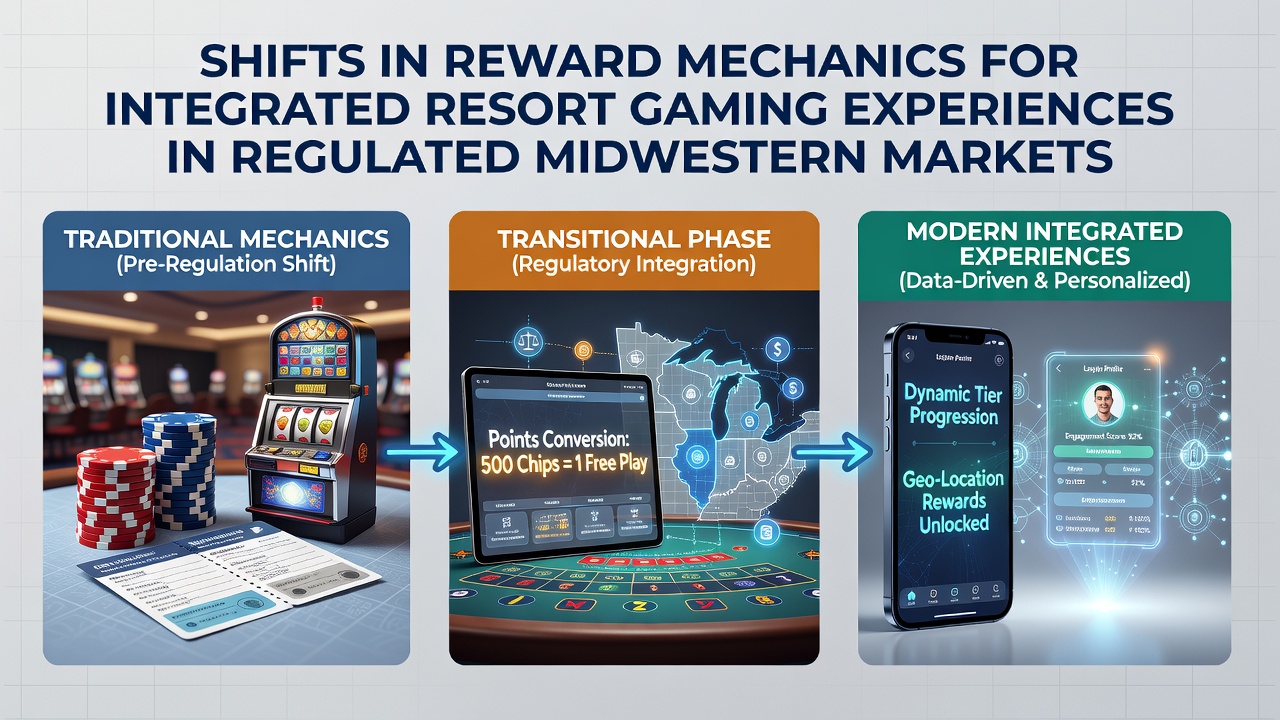
Traditional point systems that rewarded coin-in totals have given way to hybrid models incorporating non-gaming spend and behavioral data. Guests at several Michigan integrated resorts now earn accelerated status credits for attending concerts or dining at on-site restaurants, with the ratio calibrated monthly based on occupancy trends. One Indiana property restructured its upper-tier benefits so that free-play redemptions decrease in value after a set number of redemptions per month, encouraging diversified use of resort amenities instead.
Research indicates that these layered structures increase ancillary revenue while maintaining regulatory compliance. Properties track redemption velocity through centralized systems that flag unusual patterns, allowing compliance teams to intervene before issues escalate. The shift also supports data collection required under updated state reporting standards effective June 2026, when several Midwest jurisdictions will require quarterly summaries of reward utilization segmented by player demographic.
Technology Integration and Personalization
Mobile applications now serve as primary interfaces for reward management, delivering real-time offers calibrated to individual play history and location within the resort. Sensors throughout gaming floors feed anonymized data into algorithms that adjust free-play offers or hotel upgrade eligibility while players move between venues. This infrastructure supports the granular reporting demanded by regulators and helps operators respond quickly to seasonal demand fluctuations common in Midwestern climates.
Properties have begun testing geo-fenced promotions that activate when guests enter specific resort zones, such as spa areas or convention spaces. Early figures reveal higher engagement rates when offers tie directly to immediate surroundings rather than generic floor-wide messages. Developers continue refining these systems to ensure they meet privacy standards outlined in each state's gaming statutes.
Impact on Different Market Segments
High-volume players encounter tighter controls on comped travel and suite access, with many programs now requiring minimum theoretical win thresholds verified through audited play data. Casual visitors benefit from more frequent low-tier bonuses that convert into dining credits or show tickets, broadening participation without increasing overall promotional cost. Observers note that this segmentation helps resorts maintain regulatory ratios while sustaining occupancy across shoulder seasons.
Regional competition remains intense, with operators monitoring neighboring states for reward innovations that could draw cross-border traffic. Properties along the Illinois-Indiana border have introduced reciprocal tier matching for guests who provide proof of status at competing facilities, a practice reviewed and approved under both state oversight bodies.
Looking Ahead
By mid-2026 several additional reporting requirements will take effect across the region, requiring operators to demonstrate that reward mechanics do not disproportionately target vulnerable player groups. Integrated resorts continue refining their systems in preparation, testing new redemption categories that emphasize entertainment and hospitality over direct gaming incentives. These developments reflect ongoing coordination between operators and regulators to balance commercial objectives with consumer protection standards that define the Midwestern market.
Conclusion
The evolution of reward mechanics in Midwest integrated resorts demonstrates how regulatory oversight and technological capability interact to reshape guest value propositions. Properties that align program design with both compliance mandates and player preference data maintain competitive positioning while meeting the transparency expectations established by state authorities. Continued monitoring through June 2026 and beyond will determine which models endure as the regulatory environment matures.