Resort Ecosystems Linking Physical Stays with Virtual Table Game Rewards and Incentive Structures
Elena Perry · Jun 22, 2026

Resort Ecosystems Linking Physical Stays with Virtual Table Game Rewards and Incentive Structures
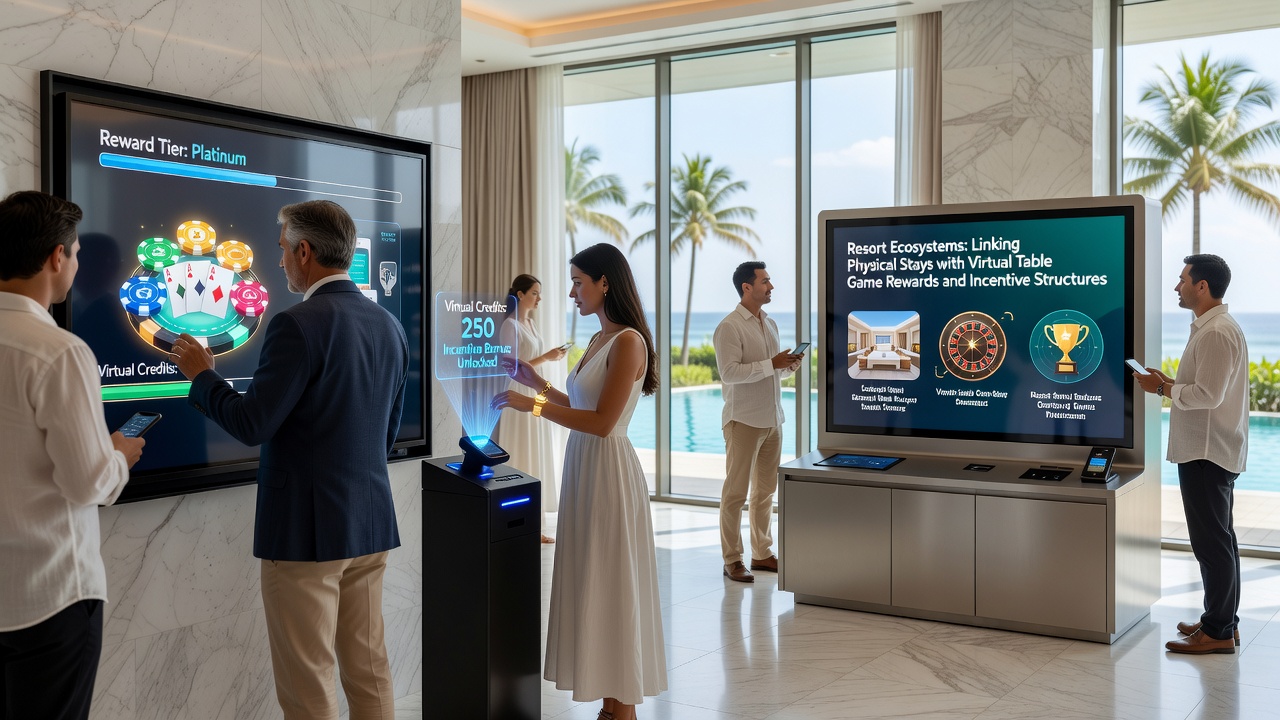
Resort ecosystems have evolved into interconnected platforms where physical hotel stays directly feed into virtual table game rewards and layered incentive structures that track guest activity across both environments, and operators achieve this through unified loyalty systems that assign points based on room occupancy duration combined with participation in digital blackjack, roulette, and poker sessions. These frameworks allow properties to monitor real-time data streams from check-in records and online game logs so that guests accumulate tiered benefits without separate accounts for each component.
Core Mechanics of Physical-to-Virtual Linkage
Physical stays generate base reward credits that transfer automatically into virtual wallets, and the process relies on property management software synchronized with gaming servers so that a three-night reservation might unlock 500 virtual chips redeemable in table game simulations hosted on the resort app. Incentive structures layer additional multipliers when guests meet combined thresholds, such as completing a minimum number of virtual hands during their stay period, which researchers at institutions like the University of Nevada have examined in reports on cross-platform engagement patterns.
Data from the Nevada Gaming Control Board shows integrated systems increased guest retention metrics by connecting on-site amenities with remote play options, while similar models appear in Canadian provinces where provincial regulators require transparent tracking of reward redemptions across physical and digital channels. The linkage operates through API connections that update balances every few minutes, preventing discrepancies and allowing guests to view progress on mobile dashboards that display both hotel folio charges and virtual table game histories side by side.
Incentive Structures and Reward Tiers
Operators design tiered programs that escalate benefits according to total engagement volume, and lower tiers might offer basic virtual table game access while higher tiers unlock exclusive tournaments or reduced virtual rake percentages that mirror physical comp structures. Guests who extend physical stays beyond standard durations often receive accelerated point accrual rates that apply retroactively to recent virtual sessions, creating a feedback loop where longer visits enhance digital rewards and vice versa.
Studies published through academic channels indicate these structures maintain compliance with regional gaming statutes because rewards remain non-transferable and tied exclusively to verified accounts, and figures from industry associations reveal that properties implementing such linkages recorded measurable upticks in both occupancy rates and virtual session lengths during peak seasons. Observers note that the systems employ algorithms to balance reward distribution so that high-value physical guests receive proportional virtual incentives without overwhelming operational servers during simultaneous peak usage.
Regional Implementation Patterns
North American resorts adopted these ecosystems earlier than many international counterparts, yet developments in Australian jurisdictions have introduced parallel frameworks where state gaming authorities mandate clear separation between physical comps and virtual credit issuances to prevent overlap violations. European properties, particularly those operating under Malta Gaming Authority oversight, have incorporated similar linkages that require annual audits of data flows between hotel systems and virtual platforms.
What's interesting is how operators adjust incentive multipliers seasonally, and one documented approach ties June 2026 promotional periods to increased virtual table game rewards for guests booking extended summer stays at select properties, which aligns with anticipated regulatory updates in multiple markets. These adjustments appear in public filings that detail expected point issuance volumes and redemption caps designed to maintain system integrity across both environments.
Data Tracking and Compliance Measures
Comprehensive logging captures every point transfer from physical folio to virtual balance, and third-party auditors review these records quarterly to confirm adherence to jurisdictional requirements that vary by location. Researchers have documented cases where integrated ecosystems reduced administrative overhead by eliminating duplicate verification steps, allowing staff to focus on guest services rather than manual reward reconciliations.
According to reports from the American Gaming Association, properties using unified platforms experienced streamlined reporting processes that satisfy multiple regulatory bodies simultaneously, and the data shows consistent patterns in how guests interact with virtual table games during and after physical visits. Incentive structures incorporate time-bound elements that expire unused credits after defined windows, which encourages continued engagement without indefinite accumulation.
Future Developments in Ecosystem Connectivity
Planned enhancements scheduled around June 2026 include expanded API capabilities that will allow third-party virtual table game providers to integrate directly with resort loyalty databases, and these upgrades aim to broaden reward options while preserving centralized tracking. Observers note that such expansions require updated security protocols to protect cross-platform data exchanges from potential vulnerabilities.
Properties continue to refine algorithms that predict optimal reward distributions based on historical stay and play patterns, and the resulting structures maintain equilibrium between physical occupancy goals and virtual engagement targets. Those who've analyzed these systems report that successful implementations depend on seamless technical integration rather than isolated program elements.
Conclusion
Resort ecosystems that connect physical stays with virtual table game rewards operate through synchronized data platforms and tiered incentive designs that deliver measurable operational benefits while satisfying diverse regulatory standards across regions. Continued refinements in tracking technology and compliance frameworks support ongoing expansion of these linkages, and the patterns observed through mid-2026 developments indicate sustained integration between hospitality and digital gaming components.