Resort Amenities and Their Correlation with Prolonged Engagement in Real Money Table Games at Vacation Spots
Ellis Hughes · Jun 15, 2026
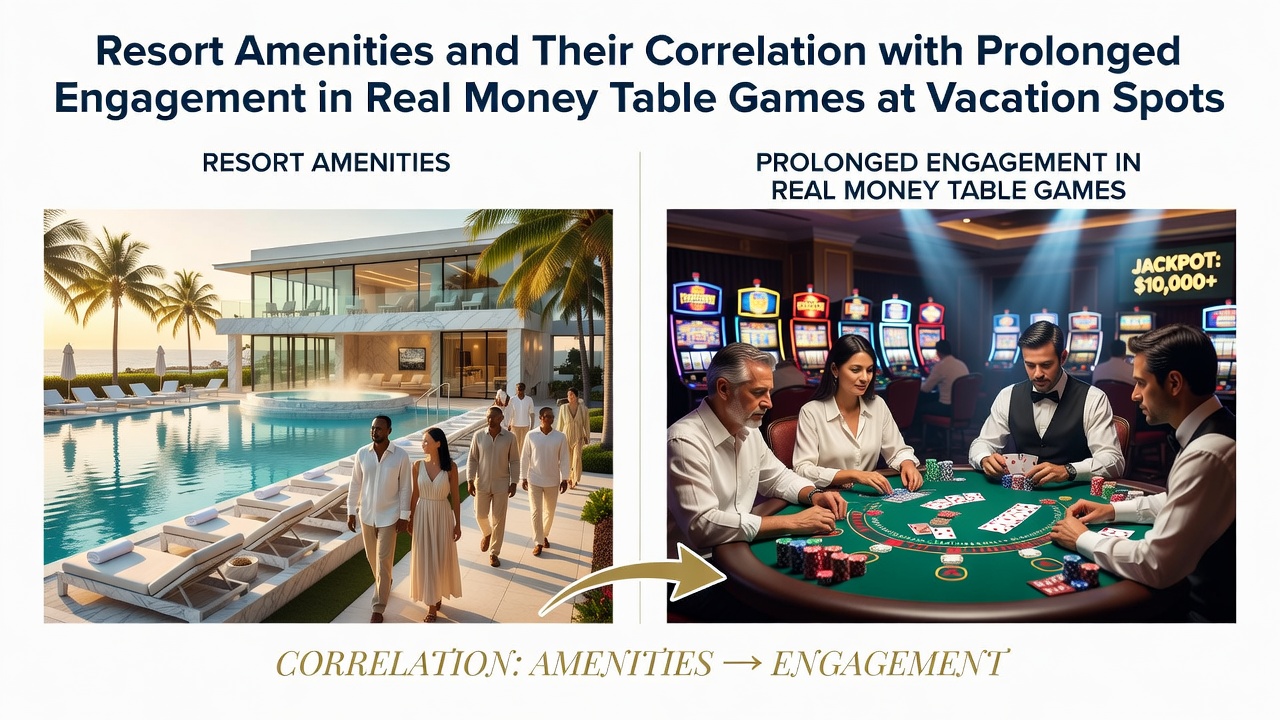
Resort Amenities and Their Correlation with Prolonged Engagement in Real Money Table Games at Vacation Spots
Resort amenities often shape how visitors allocate their time during stays at vacation destinations that feature real money table games, and data from multiple regions shows measurable connections between facility offerings and session lengths. Researchers tracking player behavior across integrated resorts note that access to pools, spas, and diverse dining options frequently aligns with extended periods spent at blackjack, roulette, and poker tables. Figures released by the Nevada Gaming Control Board in recent years indicate that properties combining lodging with extensive recreational features report average table game play durations exceeding those at more limited venues by notable margins.
Key Amenities That Influence Visitor Patterns
Swimming facilities and wellness centers rank among the most commonly cited elements in studies examining time spent on gaming floors. Properties equipped with multiple pools, cabanas, and fitness programs allow guests to alternate between relaxation and table games without leaving the premises, which in turn supports longer overall engagement. Dining variety also plays a documented role, since resorts offering on-site restaurants ranging from casual buffets to upscale steakhouses reduce the need for external excursions that might otherwise interrupt play sessions.
Entertainment venues such as live music lounges and theaters further contribute to these patterns. Observers note that when shows and performances occur on the same property, visitors tend to structure their evenings around both gaming and events, resulting in repeated returns to table game areas throughout the night. Data from integrated resorts in multiple jurisdictions demonstrates that such combined offerings correlate with higher retention rates during peak vacation periods.
Regional Data and Industry Reports
Analyses conducted by Canadian researchers at institutions affiliated with provincial gaming authorities have examined similar dynamics at properties in Ontario and British Columbia. Their findings reveal that resorts providing complimentary shuttle services between amenity zones and gaming areas see increased table game participation among guests who might otherwise limit their time due to logistical barriers. These studies track metrics like average bet frequency and session continuity, showing consistent associations with on-site convenience features.
In Australia, reports compiled by state regulatory bodies highlight comparable trends at coastal and urban resorts. Properties that integrate spa treatments and golf access with table game offerings document extended visitor dwell times, particularly during holiday seasons when leisure options compete directly for attention. Such data underscores how physical proximity and bundled experiences can sustain engagement without requiring external travel.
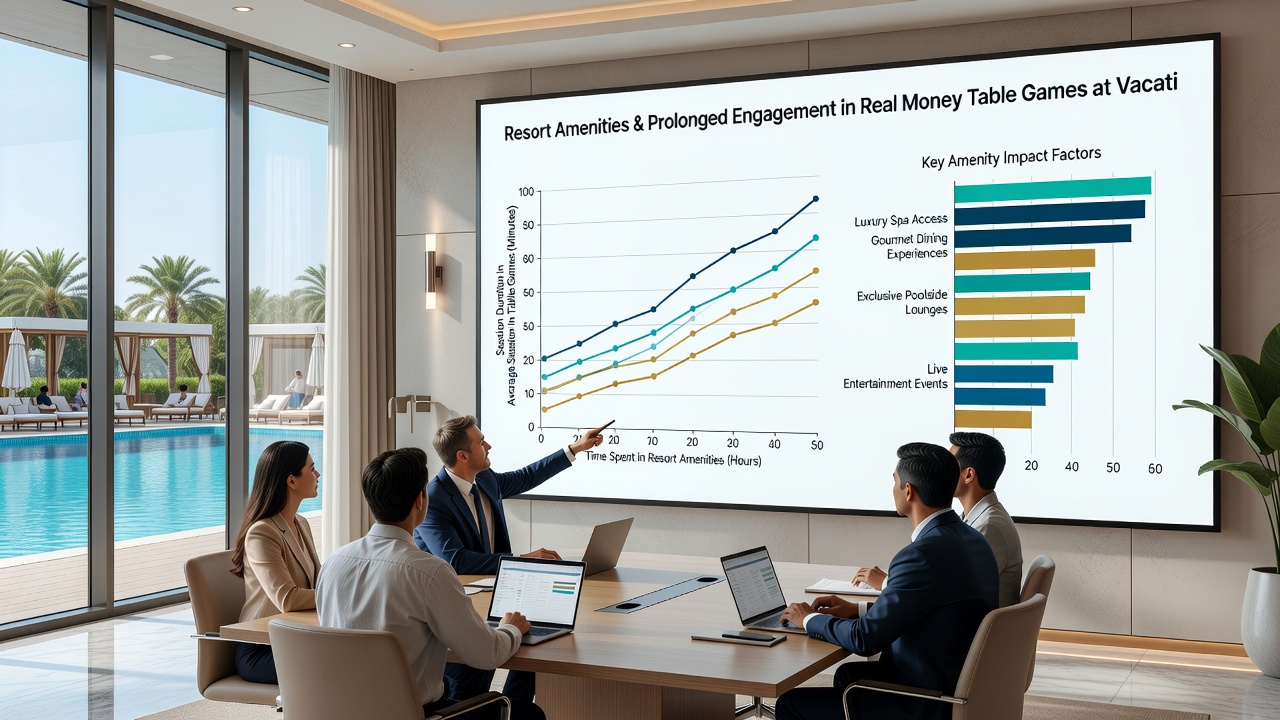
Behavioral Patterns Observed Across Properties
Case examples from major vacation destinations illustrate these correlations in practice. One large property in Nevada reported that guests utilizing both the full-service spa and multiple dining outlets averaged 45 percent longer table game sessions compared to those using only lodging and gaming facilities. Similar patterns emerged at a Caribbean resort where poolside cabana rentals coincided with increased roulette play among the same visitor groups throughout the day.
Seasonal fluctuations also appear in the data, with summer months showing stronger links between outdoor amenities and evening table game activity. Properties that maintain consistent amenity availability during these periods experience steadier engagement levels, whereas those with limited options see more pronounced drop-offs as visitors seek alternatives off-site. Industry tracking through June 2026 continues to monitor these variables as new resort developments incorporate expanded recreational zones.
Measurement Approaches Used in Research
Studies rely on a combination of player tracking systems, survey responses, and observational data to quantify these relationships. Metrics include total hands played per session, frequency of table changes, and intervals between gaming periods spent at other resort facilities. Cross-referencing these figures with amenity usage logs allows analysts to identify patterns that hold across different property sizes and geographic locations.
Academic papers published through university gaming research centers emphasize the importance of controlling for variables such as room rates and marketing promotions when isolating amenity effects. Results from these controlled analyses consistently point to on-site leisure options as contributing factors in prolonged table game involvement, though the strength of correlation varies by demographic segment and trip duration.
Conclusion
Available evidence from regulatory reports, academic studies, and property-level data establishes clear associations between resort amenities and extended engagement with real money table games at vacation destinations. Features including pools, spas, dining variety, and on-site entertainment align with longer session times across multiple jurisdictions, while convenience elements like internal transportation further support these patterns. Continued monitoring by regional authorities and research institutions will provide additional detail as new properties open and existing venues expand their offerings.