Mobile Integration Reshaping Bonus Structures at Michigan Casino Resorts
Ellis Hughes · Jul 23, 2026
Mobile Integration Reshaping Bonus Structures at Michigan Casino Resorts
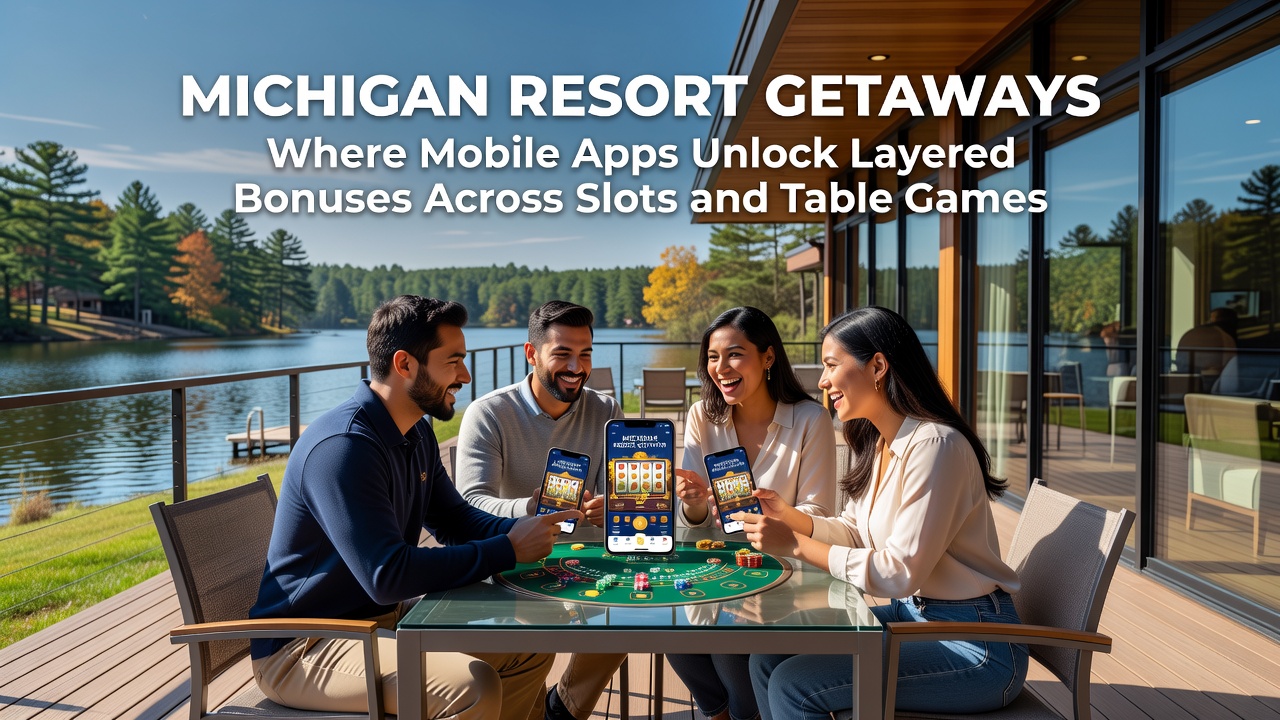
Michigan resort properties have incorporated mobile applications that connect directly to on-site gaming systems, allowing users to access tiered reward programs spanning slots and table games during extended stays. These platforms track activity across multiple venues within the same resort complex, accumulating points that convert into layered bonuses such as free spins, match play credits, and table minimum reductions.
Core Mechanics of App-Enabled Rewards
Applications developed by major Michigan operators link player accounts to resort loyalty databases, where real-time data from slot machines and table terminals feeds into centralized systems. Users receive notifications when certain play thresholds unlock additional layers, including progressive multipliers that apply across game categories rather than remaining isolated to one type. Research from state gaming reports indicates steady adoption rates among visitors who combine lodging with gaming sessions, particularly during peak summer periods.
Systems often feature daily login streaks combined with location-based check-ins inside the resort, which compound base rewards earned from actual wagers. For instance, a player completing 500 slot spins might receive an automatic table game voucher that activates only after the app confirms continued presence at the property through geofencing technology.
Resort-Specific Implementations Across the State
Properties in northern Michigan integrate these apps with hotel key systems, so room bookings automatically enroll guests in bonus tracking for the duration of their visit. Data compiled by industry analysts shows higher engagement when rewards span both digital and live table offerings, because players move between environments without resetting progress. One documented case involved a resort near Traverse City where app users unlocked sequential bonuses during July 2026 events tied to regional tourism promotions, resulting in documented increases in cross-game participation.
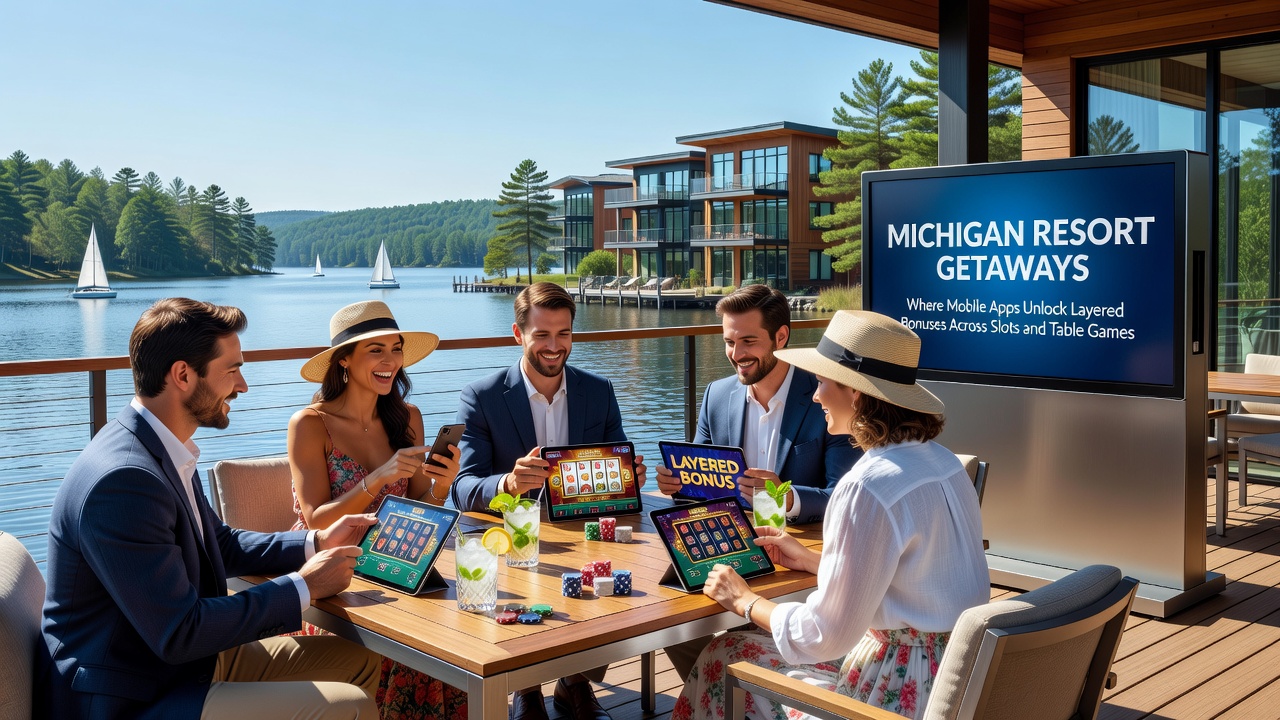
Southern Michigan resorts near Detroit have adopted similar frameworks but emphasize table game integration through dealer-assisted app scans at the pit. This allows bonuses earned on slots to transfer as credits usable at blackjack or roulette stations, subject to daily limits set by the property. Observers note that such connectivity reduces friction for guests who prefer variety during longer resort getaways.
Regulatory Framework and Data Oversight
The Michigan Gaming Control Board maintains oversight of these integrated systems, requiring operators to submit regular reports on bonus distribution and player activity metrics. According to figures released through state channels, mobile-linked programs accounted for a measurable portion of loyalty redemptions in recent years, with emphasis on transparency around how layered rewards calculate across game types. Additional sources such as reports from the National Council on Problem Gambling provide context on responsible gaming features embedded within the same applications, including session reminders and spending trackers.
Resorts must comply with geolocation standards that confirm users remain on property when claiming certain bonuses, preventing remote activation outside designated areas. Academic studies from institutions examining regional gaming markets have examined how these constraints influence visitor behavior during multi-day stays.
Seasonal Patterns and July 2026 Developments
July typically marks increased resort traffic across Michigan due to favorable weather and tourism campaigns, and 2026 projections from hospitality associations point to expanded app features rolling out around that timeframe. These updates include enhanced layering that ties outdoor recreational activities offered by resorts, such as golf or spa services, to gaming bonus eligibility. Players who complete non-gaming tasks through the app can qualify for supplemental credits applicable to both slots and table games, creating broader participation loops.
Operators report that such expansions align with broader trends in hospitality technology, where single applications manage multiple guest touchpoints. Evidence from property-level data releases shows consistent patterns of users extending their stays when layered rewards remain accessible across game categories.
Conclusion
Michigan resort getaways continue to evolve through mobile platforms that coordinate bonuses between slots and table games under unified tracking systems. State regulatory bodies and industry data sources document the operational details and adoption metrics that define these programs, providing a factual basis for understanding their structure and reach.