Midwest Resort Loyalty Tiers Shape Digital Table Game Bonus Allocation in Michigan App Ecosystems
Ellis Hughes · May 28, 2026
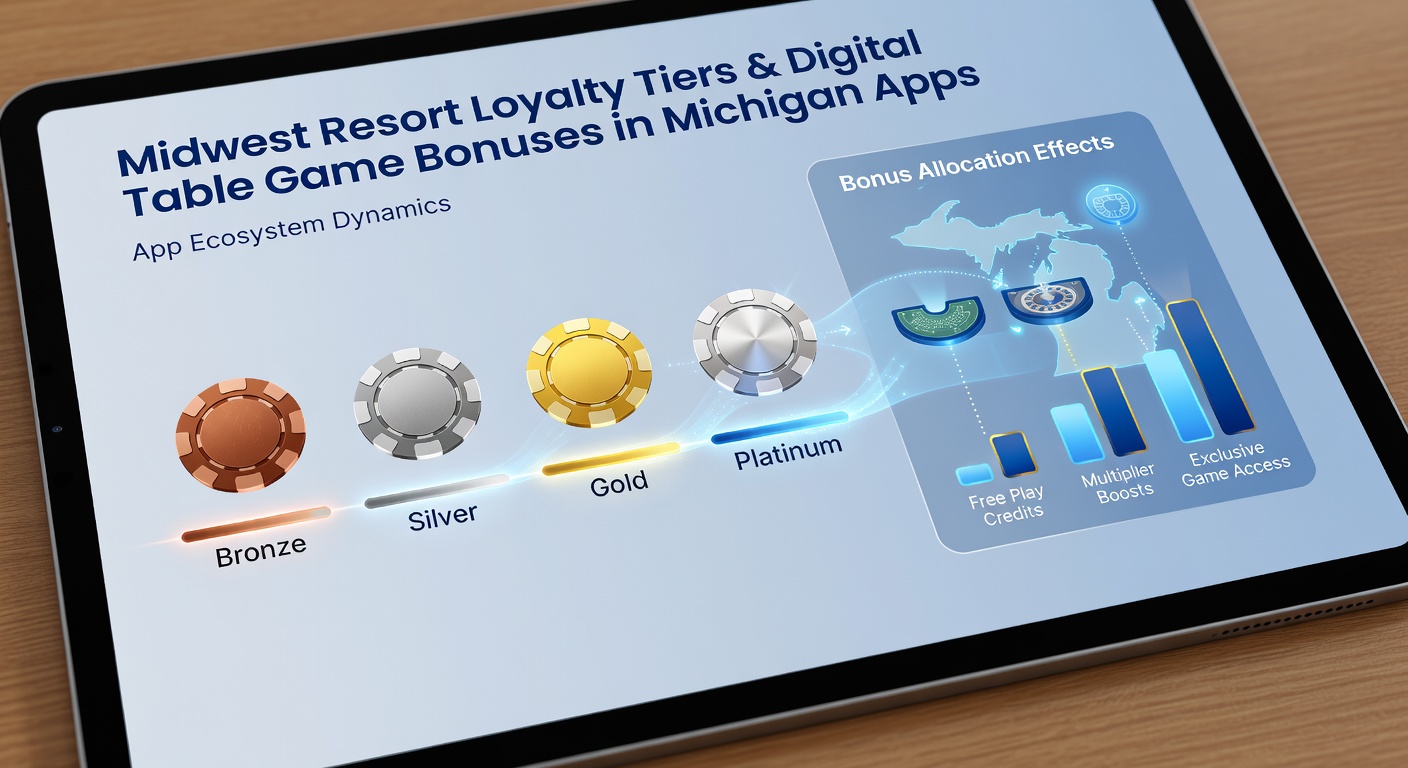
Midwest Resort Loyalty Tiers Shape Digital Table Game Bonus Allocation in Michigan App Ecosystems
Resort loyalty programs across the Midwest connect directly to digital platforms operating in Michigan and observers note that these systems determine how table game bonuses reach players through regulated app ecosystems. Data from state regulators shows that tier status often controls the size and frequency of bonuses tied to games such as blackjack and roulette when users access apps licensed under Michigan law.
Loyalty Tier Structures in Midwest Resorts
Midwest properties maintain tiered systems that track play across physical locations and linked digital channels and researchers have documented how these tiers range from entry-level to premium status based on accumulated points or spend. Properties in states bordering Michigan integrate their programs with apps that extend the same benefits to table game activity conducted online and figures reveal that higher tiers unlock multipliers on bonus funds allocated specifically for digital table games.
One study released by an academic research center in Canada examined cross-border loyalty integration and found that players reaching mid-tier status received up to 25 percent more bonus value when shifting from resort floor play to Michigan app sessions. Those who've studied these patterns know that point accrual from table games at resorts carries over into app ecosystems where allocation formulas adjust automatically according to documented tier level.
Bonus Allocation Mechanisms in Michigan Apps
Michigan app operators apply tier data received from partnered resorts to set bonus parameters for table games and evidence indicates that entry-level users encounter standard match rates while premium tier members access enhanced deposit matches or free play credits. Regulatory filings submitted to the Michigan Gaming Control Board detail how these allocations must remain within approved limits yet still reflect loyalty status to maintain program integrity.
What's interesting is how real-time data sharing between resort systems and Michigan apps allows instant tier verification at login and this process reduces delays in bonus delivery for players who maintain consistent activity across both environments. Observers note that table game bonuses often include specific wagering requirements tied to tier rank so higher-status users face adjusted playthrough thresholds that align with their established loyalty history.
Integration Patterns Between Resorts and Digital Platforms
Partnership agreements between Midwest resorts and Michigan-licensed operators create pathways for loyalty data transfer and industry reports show that these connections rely on secure APIs to sync tier information without violating state gaming rules. Players who accumulate points at resorts in Illinois or Indiana frequently see those benefits reflected in their Michigan app profiles within 24 hours of activity and this seamless flow supports consistent bonus allocation for table game sessions.
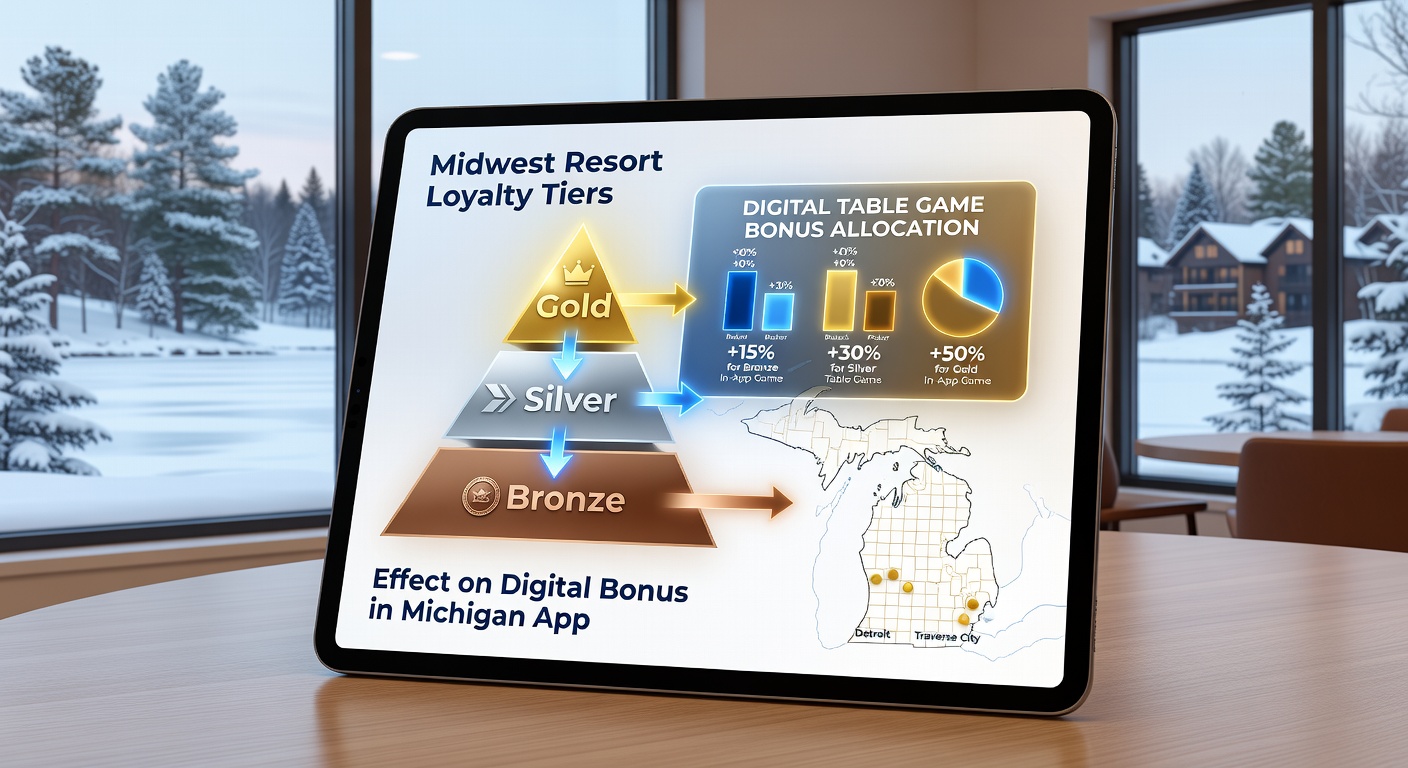
There's this case where experts tracked a cohort of users across multiple properties and discovered that tier upgrades at resort properties led to immediate increases in table game bonus caps inside Michigan apps. The reality is that allocation algorithms prioritize verified loyalty data to prevent duplicate claims while still rewarding sustained engagement across resort and digital channels.
Regulatory Framework and Data Sharing Standards
Michigan maintains strict oversight of how loyalty information influences bonus distribution and guidelines issued by the Michigan Gaming Control Board require transparent reporting of any tier-based adjustments. A 2025 industry analysis prepared by an Australian research institute highlighted similar cross-platform loyalty models in other jurisdictions and noted that Michigan's approach emphasizes audit trails to confirm fair allocation practices for table game bonuses.
And yet data shows that resorts must update tier statuses promptly to avoid discrepancies that could affect bonus eligibility during app sessions. Those who've examined compliance records know that operators conduct regular reviews to ensure loyalty tiers translate accurately into digital bonus structures without exceeding regulatory caps.
Future Developments Projected Through May 2026
Projections shared in recent trade association documents anticipate expanded data integration between additional Midwest resorts and Michigan apps by May 2026 and these updates could refine how tier levels determine bonus percentages for table games. Regulatory bodies continue to evaluate emerging technologies that would allow more granular tracking of cross-platform activity while preserving player privacy standards already in place.
Conclusion
Midwest resort loyalty tiers continue to influence digital table game bonus allocation within Michigan app ecosystems through structured data exchange and verified tier status. Regulatory oversight combined with technical integration ensures that bonus distribution remains consistent with established loyalty frameworks and available records demonstrate measurable effects on player access to table game incentives across these connected platforms.