Michigan Venues Elevate Card Game Tournaments by Merging Resort Hospitality with Strategic Competition
Anna Lange · Jul 18, 2026

Michigan Venues Elevate Card Game Tournaments by Merging Resort Hospitality with Strategic Competition
Michigan's resort properties have developed card game tournaments that integrate overnight accommodations, dining options, and recreational facilities directly with structured play sessions, and observers note this approach creates extended visitor stays while supporting competitive formats in games such as poker and blackjack. Data from state records indicate steady growth in these combined offerings across multiple properties since regulatory expansions allowed expanded gaming in the early 2000s, while operators coordinate event calendars with hotel occupancy rates to maximize participation from both regional and out-of-state attendees.
Venue Infrastructure Supporting Tournament Formats
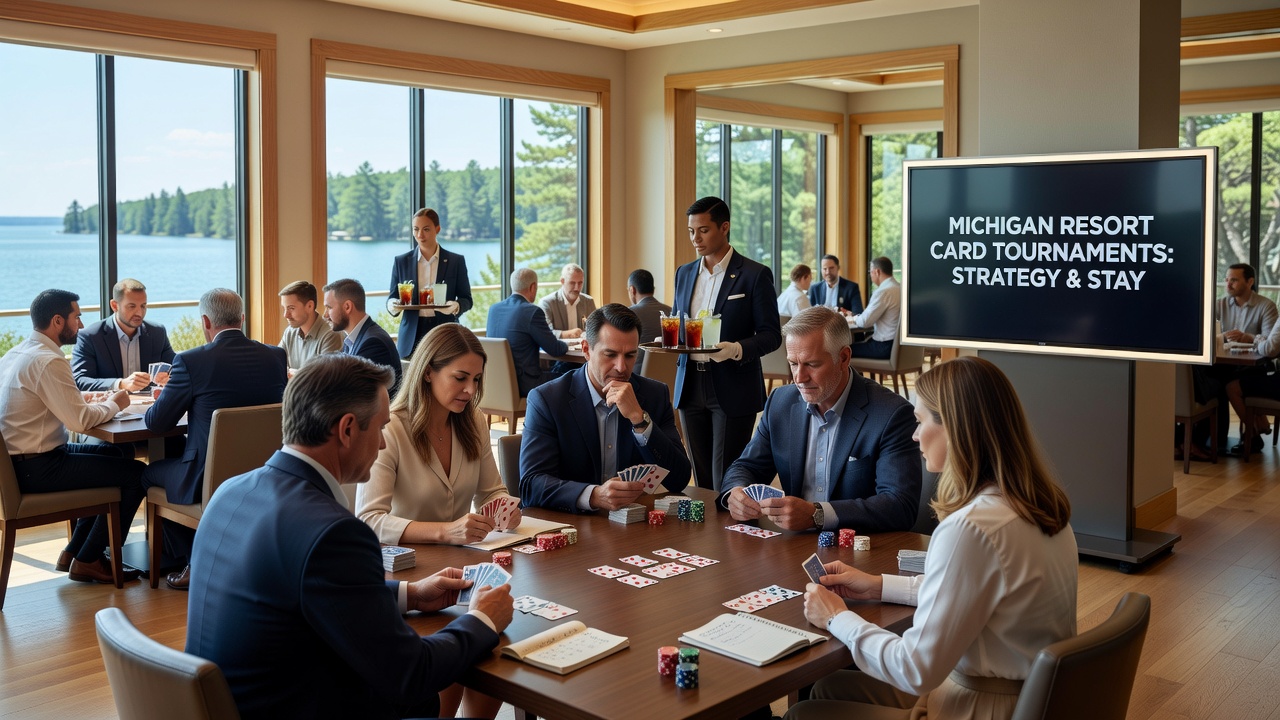
Properties in areas like Detroit and Grand Rapids maintain dedicated tournament spaces that include multiple tables, dealer staffing, and timing systems alongside adjacent hotel towers and spa facilities, so participants can move between play periods and lodging without leaving the property. Michigan Gaming Control Board reports show these venues schedule multi-day events that align with peak hospitality seasons, and figures reveal increased room bookings during tournament weekends compared to non-event periods. Organizers arrange practice areas and strategy workshops within the same complexes, allowing attendees to review hand histories or discuss odds calculations while accessing resort amenities such as pools and fitness centers.
Event Scheduling and Participation Trends
July 2026 calendars list several resort-hosted series that combine cash games with elimination tournaments, drawing players who book multi-night packages that bundle entry fees with meals and entertainment credits. Attendance data compiled by industry associations indicate these packages account for a measurable portion of total entries, and analysts track how hospitality add-ons influence repeat participation rates across successive events. Venues coordinate transportation shuttles from regional airports to streamline arrivals, and this logistics layer reduces barriers for players traveling from neighboring states or provinces.
One documented case involved a northern Michigan property that expanded its ballroom into a temporary tournament hall complete with live streaming capabilities, enabling remote spectators to follow action while on-site guests utilized nearby dining outlets during breaks. Such adaptations demonstrate how physical layouts accommodate both intense concentration periods and recovery intervals filled with resort services.
Regulatory Framework and Operational Standards
State oversight through the Michigan Gaming Control Board establishes licensing requirements for both gaming operations and associated hospitality services, ensuring tournament structures meet standardized rules for fairness and prize distribution. Compliance documentation from multiple venues shows integration of surveillance systems across gaming floors and hotel common areas, which supports security continuity for overnight guests. Research compiled by the Canadian Centre on Substance Use and Addiction highlights similar mixed-use models in other jurisdictions, where combined resort and gaming environments correlate with specific patterns of visitor duration and expenditure.
Player Experience and Ancillary Services
Participants often arrive via resort check-in procedures that include tournament registration desks, after which they gain access to strategy lounges stocked with reference materials and digital tools for odds tracking. Hospitality teams schedule meal services around tournament breaks, and menu options frequently incorporate dietary accommodations requested during the booking process. Observers have recorded instances where players extend stays to attend post-event seminars on probability concepts or bankroll management, turning the resort setting into a multi-day educational and competitive environment.
Conclusion
Resort-based card game tournaments in Michigan continue to operate through coordinated planning between gaming departments and hospitality divisions, with scheduling data and regulatory filings demonstrating consistent execution of combined experiences. Venues maintain facilities that support both strategic play and guest comfort, while external studies from varied regions provide context on operational patterns observed in similar settings. These arrangements rely on established licensing structures and documented attendance metrics to sustain ongoing events.