Michigan Regulatory Shifts Reshaping Real Money Card Play at Resort Properties
Elena Perry · Jun 20, 2026

Michigan Regulatory Shifts Reshaping Real Money Card Play at Resort Properties
Michigan has seen several regulatory adjustments in recent years that directly affect how resort properties handle real money card play, with operators adapting to new licensing protocols and compliance standards that took shape after the expansion of legal gaming frameworks in the state.
Those adjustments include updated rules on table game approvals, player verification systems, and integration between physical resort floors and digital platforms, all of which have required properties to revise their operational procedures since the initial rollout of expanded gaming statutes.
Key Changes in Licensing and Oversight
Resort operators in Michigan now navigate a more structured approval process for card games such as blackjack, poker variants, and baccarat, where each game type requires separate review by the Michigan Gaming Control Board before deployment on casino floors; this process has tightened documentation requirements around game integrity and payout structures.
Properties must submit detailed floor plans and surveillance protocols as part of license renewals, and many have invested in upgraded monitoring technology to meet these specifications while maintaining smooth gameplay experiences for visitors.
Impact on Resort Operations
Resorts with integrated hotel and gaming facilities have adjusted staffing models to include additional compliance officers who track real-time adherence to player age limits and transaction reporting, changes that became mandatory following updates to state administrative codes in prior years.
These operational shifts coincide with broader industry data showing steady visitor numbers at Michigan properties, where card play continues to represent a significant portion of floor revenue according to aggregated reports from state gaming authorities.
One notable development involves the alignment of resort-based card play rules with emerging standards for online extensions, allowing certain properties to offer hybrid experiences where guests transition between in-person tables and app-based sessions under the same regulatory umbrella.
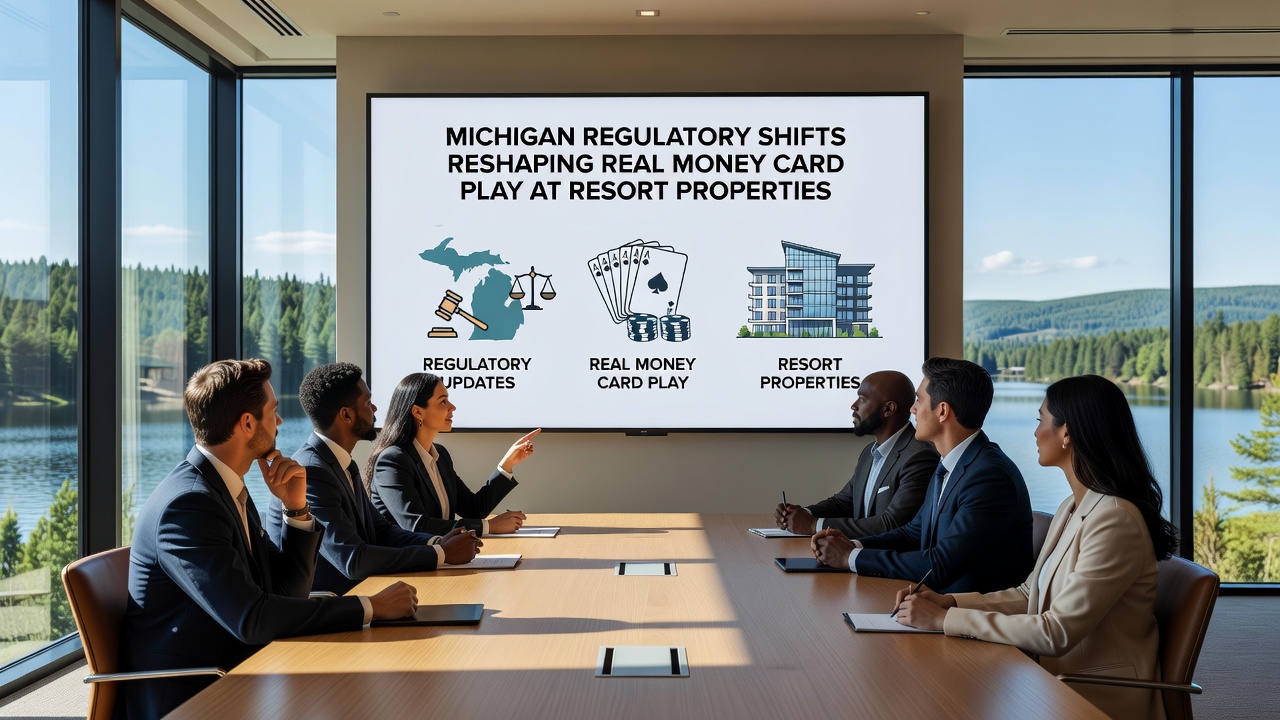
Upcoming Standards Effective June 2026
Additional compliance measures scheduled to activate in June 2026 will introduce enhanced requirements for responsible gaming signage and automated session time tracking at all licensed resort card areas, building on existing frameworks to further standardize player protections across properties.
Operators have already begun preliminary system testing to prepare for these mandates, which also encompass refined reporting on game outcomes and dispute resolution procedures that align Michigan practices more closely with those observed in neighboring jurisdictions.
Data from industry analyses indicates that similar phased implementations in other regions have led to measurable increases in operator investment in software solutions designed to automate compliance checks without interrupting table service.
Broader Industry Context and Comparisons
Observers note that Michigan's approach draws partial influence from regulatory models used in states such as New Jersey, where integrated resort gaming has long incorporated both land-based and digital card offerings under unified oversight structures, yet local adaptations account for Michigan-specific tribal compact considerations and regional market dynamics.
Research from academic sources on gaming policy, including studies conducted through institutions focused on North American markets, highlights how such shifts often correlate with adjustments in player participation rates at resort venues, particularly when verification technologies become more sophisticated.
Those who have examined cross-border examples point to Canadian provincial frameworks as another reference point where resort properties balanced card play regulations with tourism goals, resulting in coordinated updates that supported steady revenue streams without major disruptions to guest flow.
Player Experience Adjustments
Guests at Michigan resorts encounter updated check-in procedures that incorporate digital identity confirmation alongside traditional ID verification, a change implemented to meet evolving state standards while reducing wait times at table areas through streamlined processes.
Many properties now display clear information on game rules and house policies in multiple formats, including digital kiosks near card sections, to fulfill transparency obligations that accompany the regulatory updates.
What's interesting is how these modifications have prompted some resorts to expand training programs for dealers and floor staff, focusing on both technical game oversight and customer communication around the new compliance elements.
Conclusion
The cumulative effect of Michigan's regulatory evolution continues to shape card play environments at resort properties through incremental refinements in licensing, technology integration, and operational protocols that extend into 2026 and beyond, with state agencies maintaining ongoing review cycles to address market developments.
Properties that successfully align with these standards position themselves to sustain card game offerings amid a landscape where regulatory alignment supports both legal compliance and continued visitor engagement across the state's gaming destinations.