How Integrated Resort Properties Are Adapting Loyalty Programs to Slot Player Habits in Digital Transitions
Olivia Brooks · Jun 18, 2026
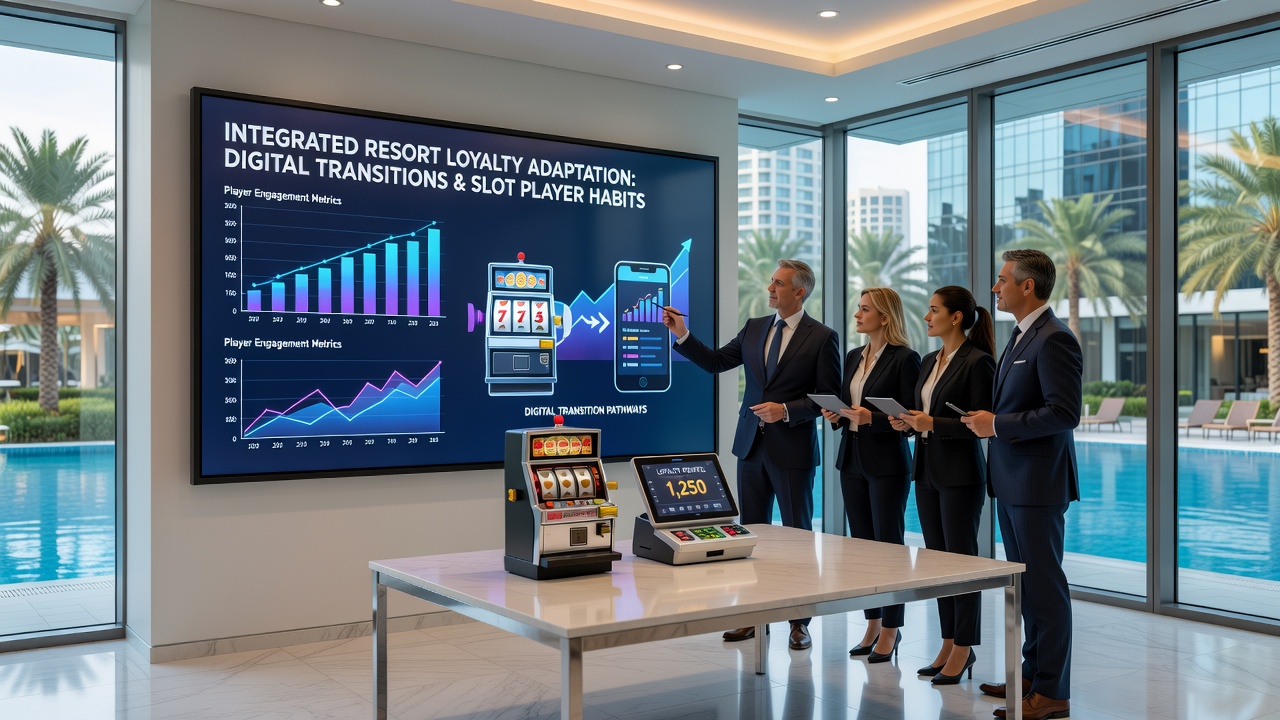
How Integrated Resort Properties Are Adapting Loyalty Programs to Slot Player Habits in Digital Transitions
Integrated resort properties combine hotels, entertainment venues, dining options, and casino floors, and these establishments continue to refine loyalty programs as slot players shift toward digital platforms. Traditional point accumulation systems once relied on physical card swipes at machines, yet operators now integrate mobile apps, real-time data analytics, and cross-platform tracking to align rewards with actual playing patterns. Data released in June 2026 by industry monitoring groups indicates that digital engagement among slot participants has risen steadily since 2023, prompting properties to adjust tier structures and bonus mechanics accordingly.
Tracking Slot Habits Through Digital Channels
Slot machines generate detailed session data including spin frequency, bet sizes, game preferences, and duration of play, and integrated resorts now feed this information into centralized loyalty databases. Properties link these records to player accounts via smartphone applications that allow users to monitor progress without repeated card insertions. Observers note that such connectivity reduces friction for participants who move between on-site machines and remote access features where permitted by regional regulations. Researchers at several university gaming studies programs have documented how these systems capture behavioral markers like preferred machine volatility levels and time-of-day activity peaks.
Properties in multiple jurisdictions have introduced progressive multipliers that adjust based on consecutive digital check-ins rather than isolated visits. This approach rewards consistent engagement across both physical and app-based interfaces while maintaining compliance with local gaming statutes. Figures from the American Gaming Association reveal that properties implementing unified tracking saw measurable increases in repeat slot activity during the first half of 2026.
Personalization of Rewards Based on Player Data
Loyalty programs now segment slot participants according to metrics such as average wager per spin and game category selections. Operators deliver tailored free-play credits, hotel comps, and dining vouchers that reflect these documented habits instead of generic offers. One study conducted across several large-scale resorts found that personalized digital notifications increased redemption rates compared with mass-distributed promotions. The adjustments occur through algorithms that analyze historical play sessions and predict future preferences without requiring manual input from players.
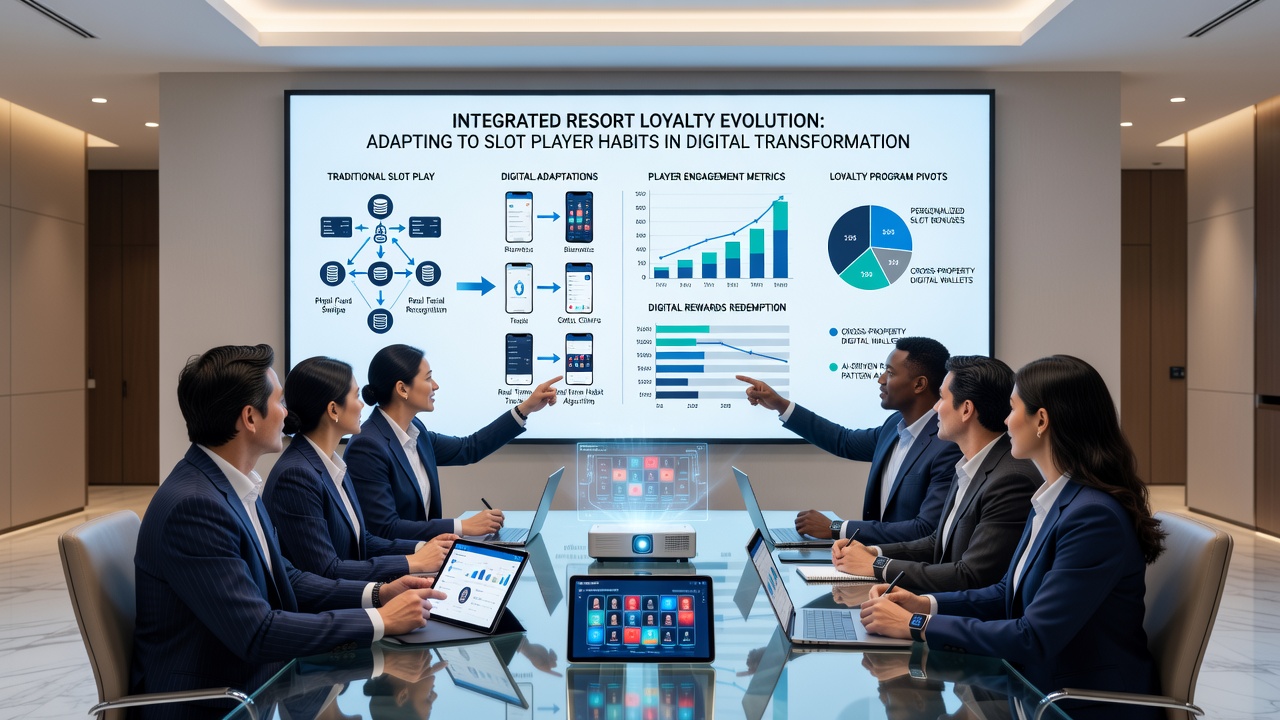
Integrated resorts have also begun synchronizing loyalty tiers with digital wallet features that store points and allow instant conversion into credits at participating machines. This integration supports players who prefer cashless transactions and provides operators with additional layers of spending pattern information. Reports from the Australian Gambling Research Centre highlight similar adaptations in properties that combine resort amenities with extensive slot floors, noting that digital transitions have streamlined the distribution of tier benefits such as priority event access.
Integration With Broader Resort Amenities
Slot-focused loyalty adjustments extend beyond the gaming floor as properties link casino activity to hotel stays, spa services, and entertainment bookings. Participants earn points that apply across multiple outlets, and digital platforms display consolidated balances so users can plan redemptions in advance. Data indicates that properties offering these unified systems experience higher cross-departmental utilization, particularly among slot players who visit during midweek periods when occupancy rates fluctuate. Regulatory frameworks in several regions require clear disclosure of how play data influences non-gaming rewards, which has led operators to publish detailed program terms within their applications.
Seasonal campaigns launched in early 2026 incorporated slot-specific challenges that unlock resort-wide perks, such as upgraded room categories after meeting digital play thresholds. These initiatives rely on automated tracking that records progress in real time and notifies players through push messages. Observers from trade associations have recorded that such campaigns maintain steady participation levels even as overall visitation patterns shift toward shorter, more frequent trips.
Compliance and Security Considerations
Digital loyalty adaptations require robust data protection measures because slot play records contain sensitive financial and behavioral details. Integrated resorts employ encryption protocols and regular audits to meet standards set by oversight bodies in their operating regions. Properties must also ensure that loyalty mechanics do not inadvertently promote excessive play, which has resulted in built-in session reminders and voluntary limit-setting tools within associated mobile applications. Documentation from regulatory reviews completed before June 2026 shows that transparent program structures correlate with sustained player trust across multiple markets.
Conclusion
Integrated resort properties continue to modify loyalty structures in response to documented slot player movement toward digital interfaces. Through unified tracking, data-driven personalization, and cross-amenity integration, these programs maintain alignment with observed habits while adhering to applicable regulations. Information compiled through mid-2026 demonstrates ongoing refinement rather than wholesale replacement of established reward frameworks, and further adjustments are expected as technology and player preferences evolve in parallel.