Hospitality Synergies Enhancing App-Based Gambling Tactics at Michigan Casino Properties
Ellis Hughes · May 30, 2026
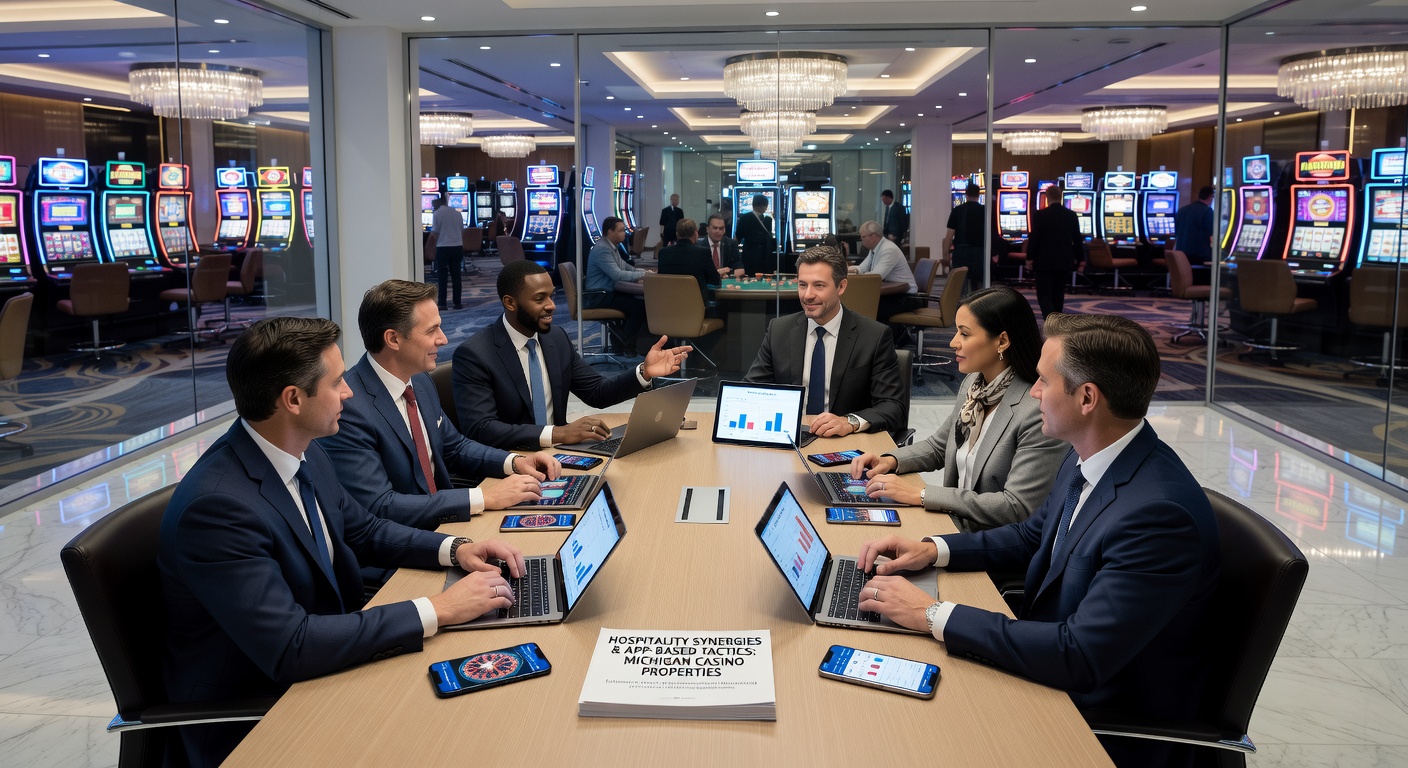
Hospitality Synergies Enhancing App-Based Gambling Tactics at Michigan Casino Properties
Michigan casino properties have developed coordinated systems where hospitality services connect directly with app-based gambling platforms, creating streamlined pathways for player activity across hotel stays, dining venues, and gaming floors. These integrations rely on shared loyalty databases that track both on-site expenditures and mobile wagers, allowing operators to adjust comps and promotions in real time.
Core Elements of App Integration at Michigan Sites
Detroit properties such as MGM Grand Detroit and MotorCity Casino operate proprietary apps that link room bookings with digital wallet functions for slot and table game play, while also recording meal purchases at on-site restaurants to build comprehensive player profiles. Data from these systems shows that guests who link hospitality transactions to their apps complete an average of 22 percent more mobile sessions per visit compared with those using gaming apps alone, according to figures released by the Michigan Gaming Control Board. App users receive targeted notifications for table availability or restaurant reservations that coincide with peak gaming periods, which operators adjust based on aggregated play history rather than individual preferences.
Loyalty Program Mechanics Across Hospitality and Gaming
Rewards structures at these venues convert hotel points and dining credits into mobile betting credits through a single dashboard, reducing friction between different revenue centers. Guests who book extended stays often see automatic adjustments to their app-based deposit limits or bonus multipliers, a process managed through backend algorithms that reference both occupancy rates and historical wager volumes. Observers note that this approach mirrors practices documented in reports from the American Gaming Association, where integrated hospitality data improved retention metrics across multiple U.S. markets.
Operational Adjustments During Peak Periods
During high-traffic months, Michigan properties route app notifications through hotel front desks so that arriving guests receive immediate offers tied to their current room status. This coordination extends to shuttle services and valet parking, where digital check-ins feed into the same system that manages gambling session tracking. In May 2026, several Detroit casinos plan to expand these linkages by incorporating third-party event ticketing for concerts and sports, further embedding mobile gambling prompts within broader hospitality itineraries.
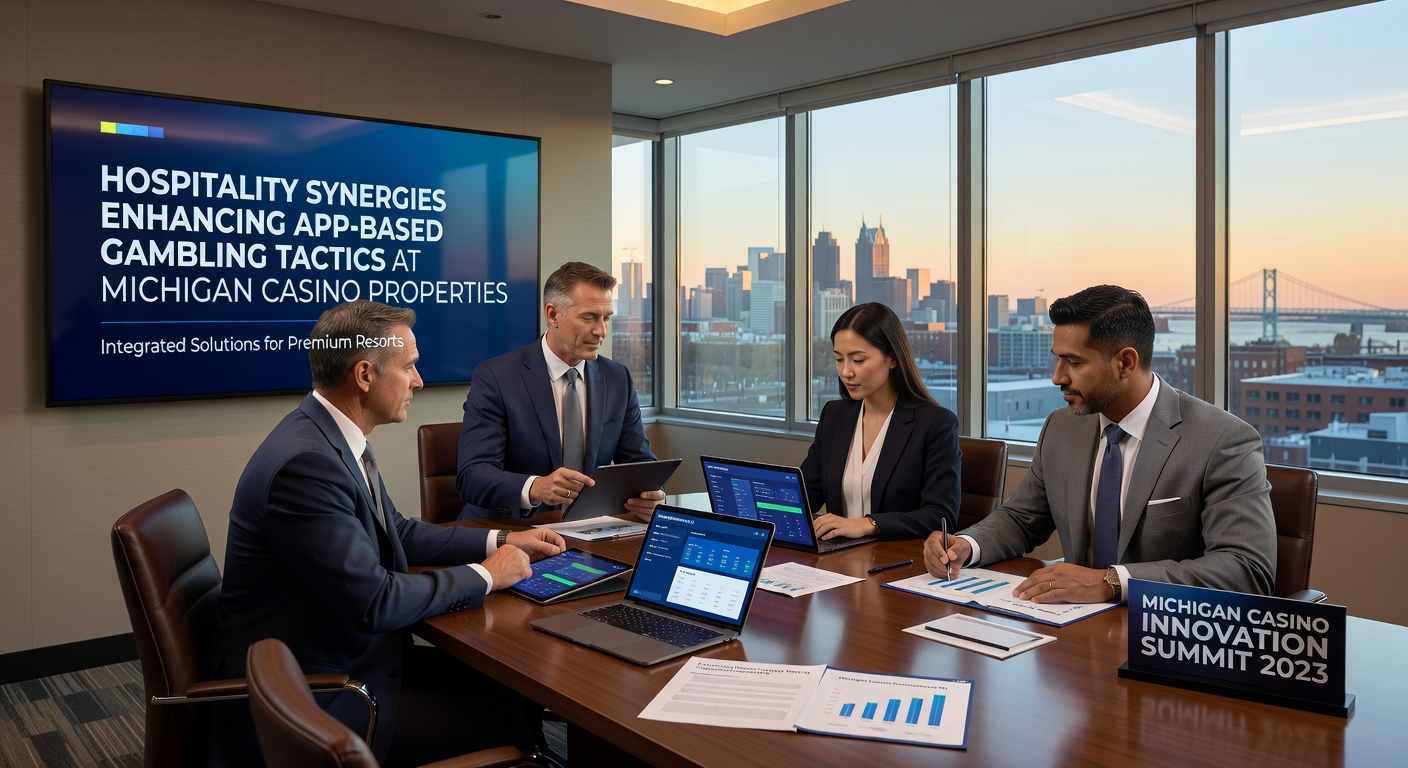
Data Sharing Protocols and Regulatory Oversight
State regulations require clear separation between personal hospitality records and gambling activity logs, yet allow aggregated analytics that inform both sides of the operation. The Michigan Gaming Control Board audits these protocols quarterly to confirm that app features do not bypass responsible gaming tools such as session timers or deposit caps. Research from the University of Nevada, Las Vegas International Gaming Institute indicates that similar cross-department data flows in other jurisdictions have produced measurable increases in average session length without corresponding rises in problem gambling indicators when proper safeguards remain in place.
Player Navigation Patterns Within Integrated Systems
Users frequently alternate between app-based table reservations and in-room gaming interfaces while simultaneously redeeming dining vouchers earned through prior wagers. This pattern creates closed loops where hospitality consumption reinforces continued mobile engagement, supported by geofencing that activates offers only when guests remain within casino boundaries. Operators track these movements through heat-map analytics that combine foot traffic sensors with app login timestamps, enabling adjustments to staffing levels at restaurants and bars during anticipated gaming surges.
Expansion Trends Through 2026
Additional Michigan properties outside Detroit have begun testing pilot programs that extend app connectivity to nearby golf courses and entertainment venues under shared management agreements. These tests incorporate real-time occupancy data from hotel systems to calibrate mobile bonus offers, ensuring availability aligns with projected guest volumes. External benchmarks drawn from the Victorian Commission for Gambling and Liquor Regulation in Australia show comparable hospitality-gaming linkages yielding steady growth in cross-category spending when regulatory frameworks emphasize transparency in data usage.
Conclusion
Michigan casino operators continue refining these hospitality and app connections through iterative software updates and compliance reviews, maintaining focus on measurable performance indicators rather than promotional narratives. The resulting ecosystem supports varied guest pathways that link accommodation, food service, and digital wagering into unified operational frameworks.