Examining Synergies Between Hospitality Venues and Mobile Platform Mechanics for Table and Reel Activities
Viktor Washington · Jul 13, 2026
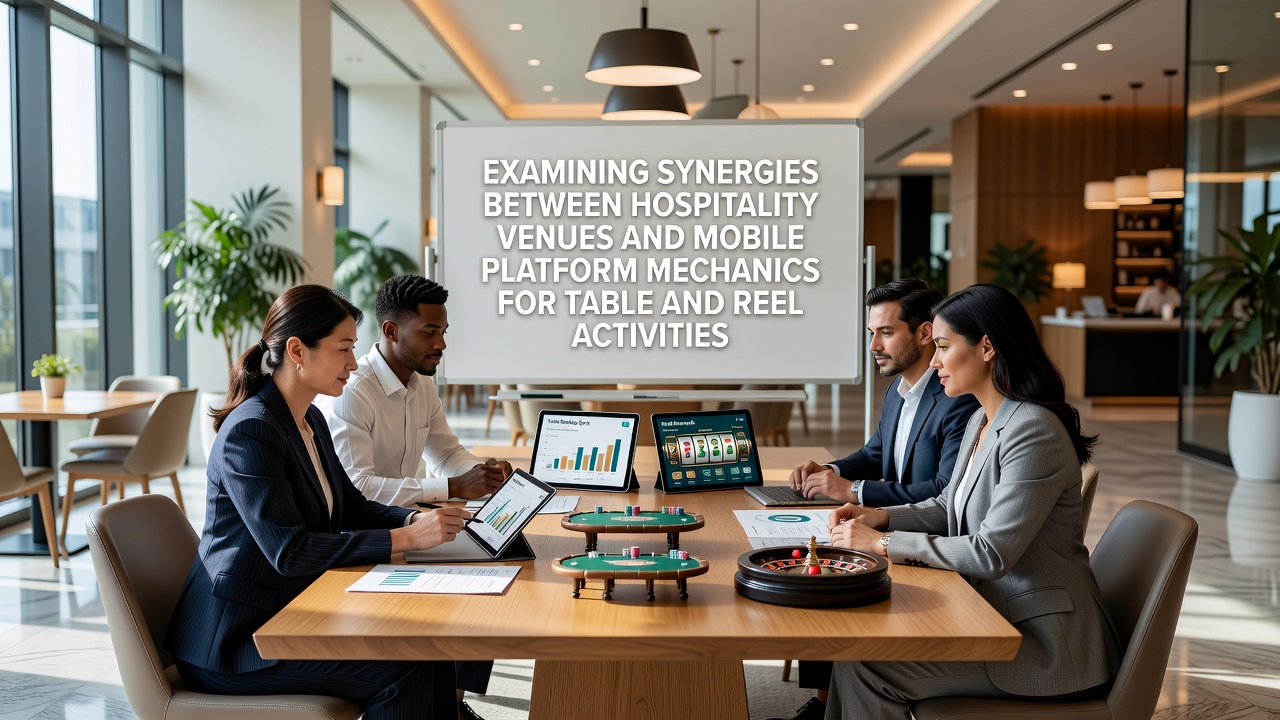
Examining Synergies Between Hospitality Venues and Mobile Platform Mechanics for Table and Reel Activities
Physical hospitality venues have increasingly aligned their operations with mobile platform mechanics to support table games such as blackjack and poker alongside reel-based activities like slot machines, and this integration creates measurable operational efficiencies for both sectors. Data from multiple jurisdictions shows that venues incorporating app-based interfaces report higher guest retention rates when digital tools allow real-time tracking of play sessions across physical floors and remote access points.
Core Integration Patterns in Venue Operations
Operators in major markets connect loyalty programs directly to mobile interfaces, which permits guests to access table reservations, track reel spin histories, and redeem rewards without leaving the property network. According to figures released by the Nevada Gaming Control Board, mobile-linked transactions accounted for 28 percent of total gaming volume at integrated resorts during the first half of 2025, with continued growth projected through mid-2026. These systems rely on secure APIs that synchronize in-house management software with guest devices, reducing manual reconciliation tasks for staff while maintaining regulatory audit trails.
Table game areas benefit when mobile mechanics deliver digital scorekeeping and side-bet prompts that mirror physical dealer workflows. Reel sections gain from similar linkages, as apps push targeted bonus rounds based on prior machine activity recorded on the venue network. Observers note that such synchronization minimizes downtime between physical and digital play segments, allowing continuous engagement within the same hospitality environment.
Technical Mechanics Supporting Table Activities
Mobile platforms designed for table games incorporate live dealer streaming combined with in-app betting interfaces that replicate chip handling at physical tables. These tools use geofencing protocols to restrict functions to approved venue perimeters, satisfying licensing requirements in regions including several U.S. states and parts of Canada. Research compiled by the University of Nevada, Las Vegas Center for Gaming Research indicates that properties deploying these hybrid table systems recorded average session lengths 14 percent longer than venues using stand-alone physical equipment alone.
Payment gateways embedded in the apps handle both cashless table buy-ins and instant transfers between guest accounts, while backend ledgers update in real time for compliance reporting. Hospitality staff access dashboards that flag player preferences drawn from mobile data, enabling personalized service delivery without interrupting game flow.
Reel Activity Linkages and Performance Metrics
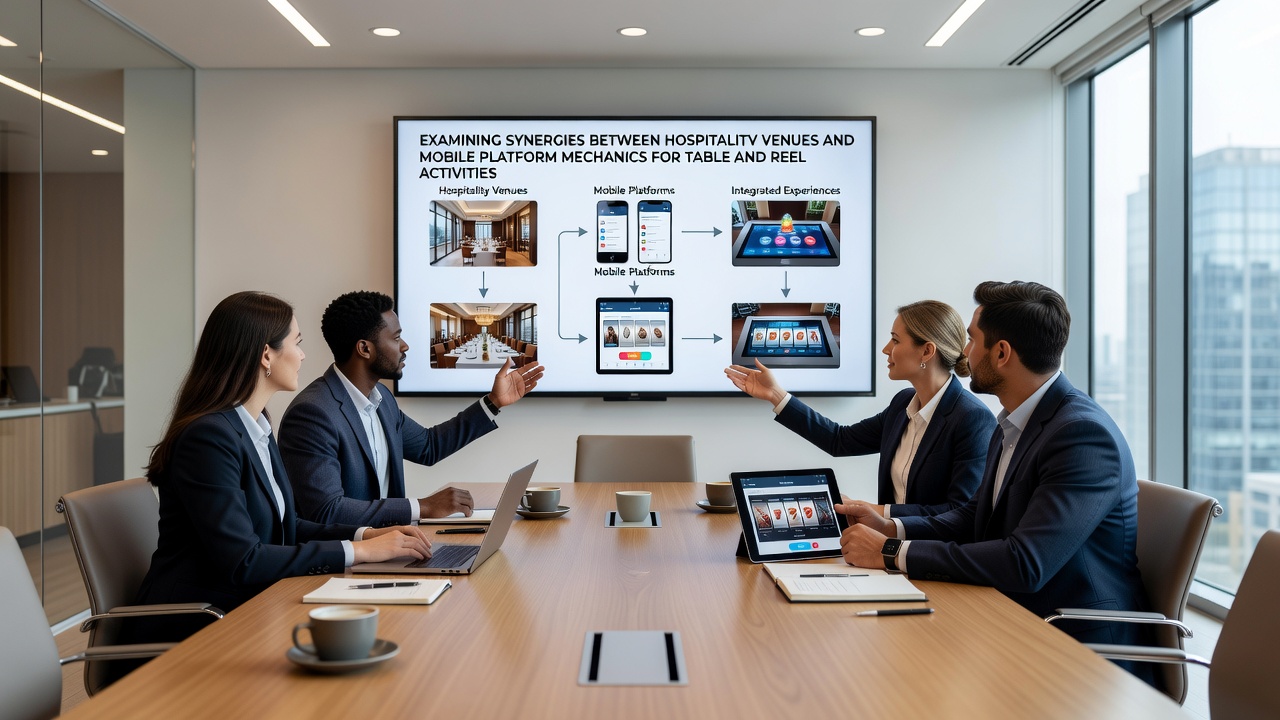
Reel mechanics integrated through mobile channels allow progressive jackpot pools to span both on-site machines and app-based versions, creating shared prize structures that increase overall participation. Industry reports from Gaming Laboratories International document that cross-platform reel linkages raised average daily handle by 19 percent at participating properties in tested markets. Guests receive push notifications for reel events occurring on the physical floor, which encourages movement between hotel amenities and gaming zones.
Analytics modules track reel volatility patterns across devices, supplying venue managers with data to adjust machine mixes and floor layouts. This information loop supports inventory decisions that align with observed guest behavior collected through the same mobile framework.
Regulatory Context and Data Sharing Standards
Jurisdictions maintain distinct rules governing data exchange between hospitality systems and mobile platforms. The Alcohol and Gaming Commission of Ontario, for instance, requires encrypted transmission standards and regular third-party audits for any venue-app integration involving table or reel activities. Similar frameworks exist in Australian states, where state gaming authorities mandate separate reporting for digital and physical segments even when operated under unified management.
By July 2026, several regulatory bodies plan to release updated technical specifications that further standardize API security for these synergies, based on ongoing consultations with technology providers and venue operators. These updates aim to preserve game integrity while accommodating expanded mobile functionality within hospitality settings.
Implementation Examples Across Regions
Properties in the northeastern United States have adopted mobile table interfaces that feed directly into hotel property management systems, allowing seamless comp calculations tied to both physical and app-based play. In parts of Europe, reel-focused apps connect to resort booking engines so that room packages include credits usable on networked machines. Each implementation follows local licensing conditions yet shares common technical architecture centered on real-time data synchronization.
Those who have studied adoption patterns find that successful deployments share three characteristics: robust identity verification at login, clear separation of physical and digital transaction ledgers, and staff training programs focused on interpreting combined data outputs. These elements reduce friction for guests while satisfying oversight requirements.
Conclusion
Synergies between hospitality venues and mobile platform mechanics for table and reel activities rest on coordinated technical standards, regulatory compliance, and operational data flows that link physical spaces with digital interfaces. Evidence from multiple regulatory sources and research institutions shows measurable impacts on session duration, transaction volume, and guest movement patterns within integrated properties. Continued refinement of these connections through 2026 will depend on alignment between venue operators, technology vendors, and oversight agencies across different regions.