Baccarat Systems Meeting App-Driven Incentives at Resort-Based Gaming Venues
Ellis Hughes · Jul 11, 2026
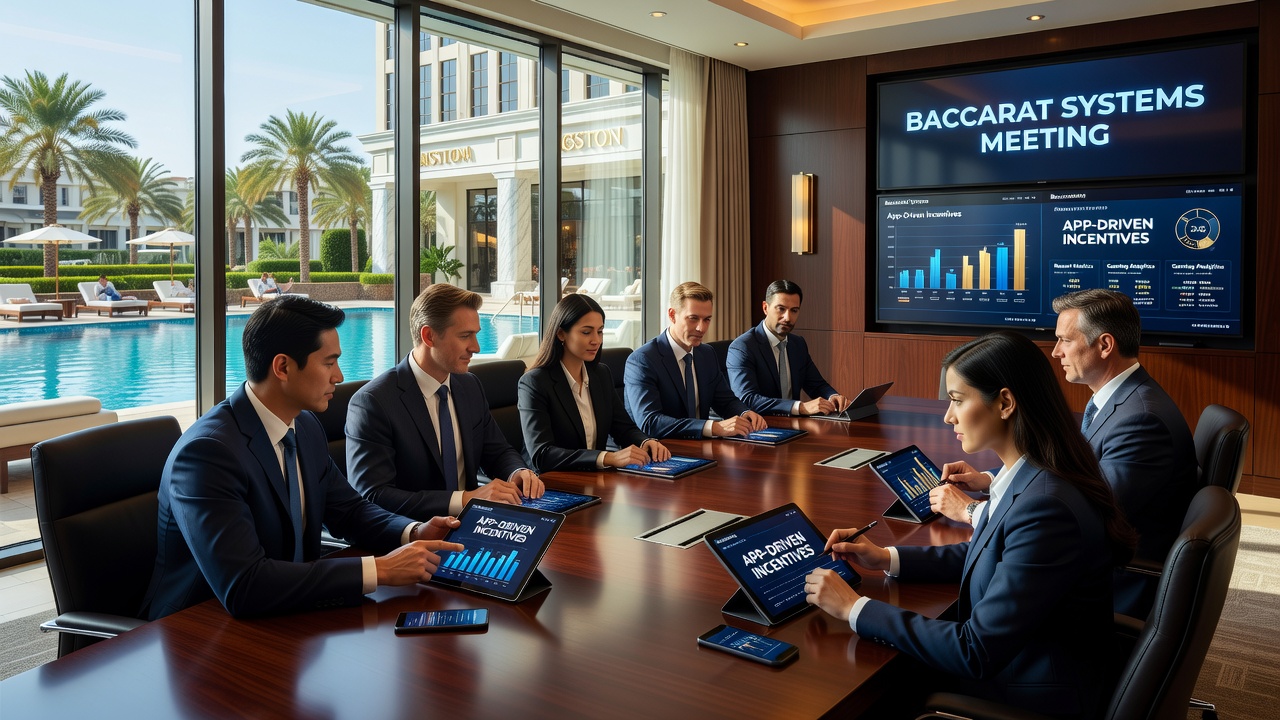
Baccarat Systems Meeting App-Driven Incentives at Resort-Based Gaming Venues
Resort-based gaming venues combine physical baccarat tables with mobile applications that track player activity and deliver targeted rewards, creating measurable intersections between structured betting approaches and digital incentive programs. Data from multiple jurisdictions shows these integrations affect how participants manage bankrolls and accumulate points during extended sessions.
Baccarat Approaches in Resort Environments
Players apply documented betting progressions at resort tables where minimums often range from twenty-five to five hundred dollars per hand, and these sequences align with app features that monitor session length and wager totals. Systems such as flat betting maintain consistent stake sizes while others adjust amounts based on prior outcomes, yet all feed into the same loyalty platforms that calculate comps according to theoretical loss formulas established by the property.
Resorts record hand histories through table sensors that sync directly with guest profiles in the venue app, allowing real-time updates on reward tiers reached during play. Observers note that participants who follow predetermined stop-loss limits tend to log longer cumulative playtime because the app surfaces offers for additional credits once thresholds are met.
Mobile App Features Driving Participation
Applications at major resort properties deliver tiered incentives including free-play credits, hotel upgrades, and dining vouchers calculated from tracked coin-in figures. These systems update every few minutes during active baccarat rounds, displaying progress toward the next reward level alongside current session statistics. Research indicates that properties in Nevada and New Jersey report higher average daily points accumulation when guests link their accounts before sitting at a table.
Push notifications alert users when new deposit-match promotions activate, and these alerts often coincide with peak evening hours when table minimums remain elevated. Venues report that guests who receive such prompts return to baccarat pits within the same visit at rates tracked by the property management software.
Integration Points Between Systems and Incentives
Table limits and comp formulas create direct feedback loops because larger average bets accelerate both point earnings and progression through certain betting sequences. App algorithms adjust offer values based on historical data for each guest, factoring in game type and average wager size recorded over multiple trips. In July 2026 several properties updated their platforms to include baccarat-specific multipliers during promotional windows, reflecting observed patterns in player retention metrics.
Resort operators publish aggregated figures through industry associations that show baccarat contributing a stable percentage of table game revenue even as mobile engagement rises. These reports link higher app usage with increased frequency of visits rather than larger single-session losses, because incentives encourage return trips within defined timeframes.
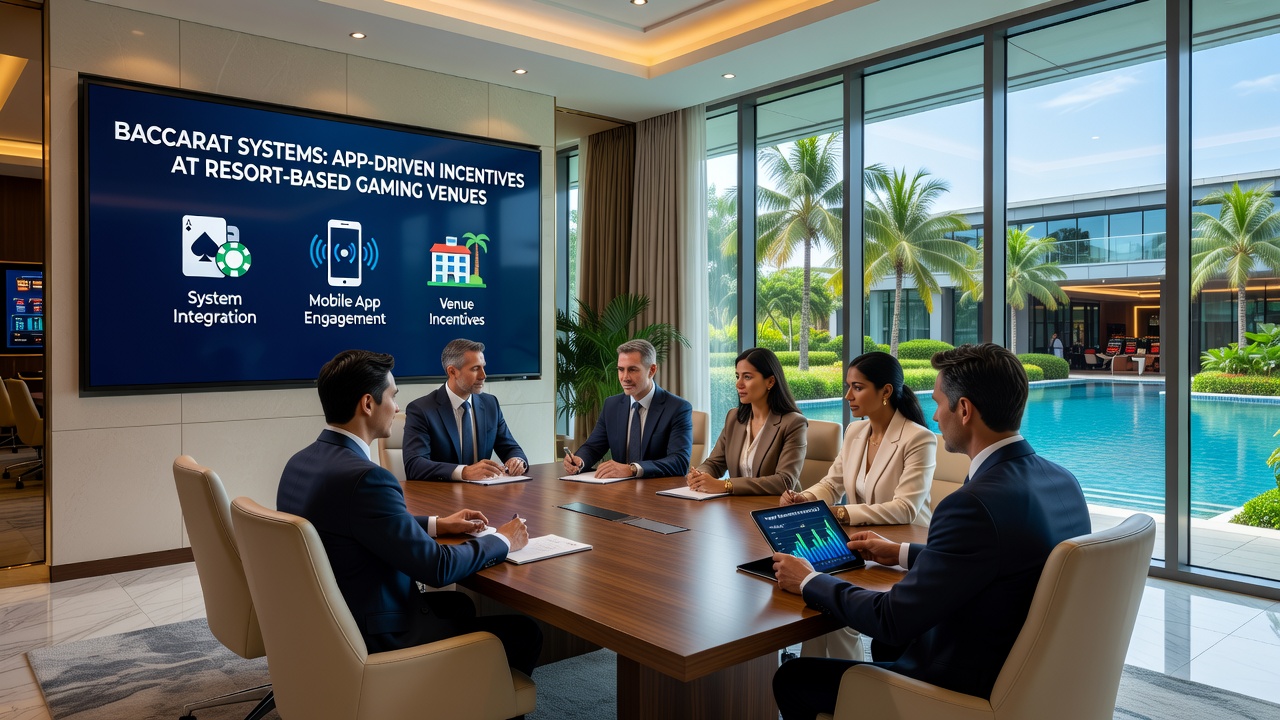
Regional Data and Regulatory Context
The Nevada Gaming Control Board maintains public databases that detail monthly table game activity across resort properties, and recent summaries illustrate steady baccarat handle alongside growing mobile reward redemptions. Similar statistics from the New York State Gaming Commission track comparable trends at newer resort facilities in that jurisdiction. Academic analyses from institutions such as the University of Nevada, Las Vegas examine how digital interfaces influence time-on-device without altering underlying game mathematics.
Canadian provincial regulators in Ontario publish parallel datasets that compare land-based resort performance before and after app integrations, noting shifts in average session duration. Australian research centers have issued reports on similar venue models, highlighting that incentive structures tied to specific table games produce distinct loyalty patterns compared with slot-focused programs.
Operational Adjustments at Properties
Resort management teams coordinate pit supervisors with marketing departments so that app-driven offers reach guests while they remain at baccarat tables. Floor staff receive training on recognizing when players reference their phones for reward status, allowing seamless assistance with point inquiries. Properties document these interactions through internal logs that feed into broader analytics used for future incentive calibration.
Seasonal events scheduled around holidays or sporting tournaments frequently include baccarat-specific app challenges where additional points multiply when certain hand totals occur. These limited-time mechanics appear in venue calendars and generate measurable spikes in tracked activity according to post-event summaries released by participating resorts.
Conclusion
Resort-based venues continue refining connections between established baccarat approaches and app-based reward structures through ongoing data collection and system updates. Public records from gaming control agencies across multiple regions demonstrate consistent patterns of engagement that properties incorporate into operational planning. As platforms evolve, the documented interplay between betting sequences and digital incentives remains a measurable component of resort gaming activity.